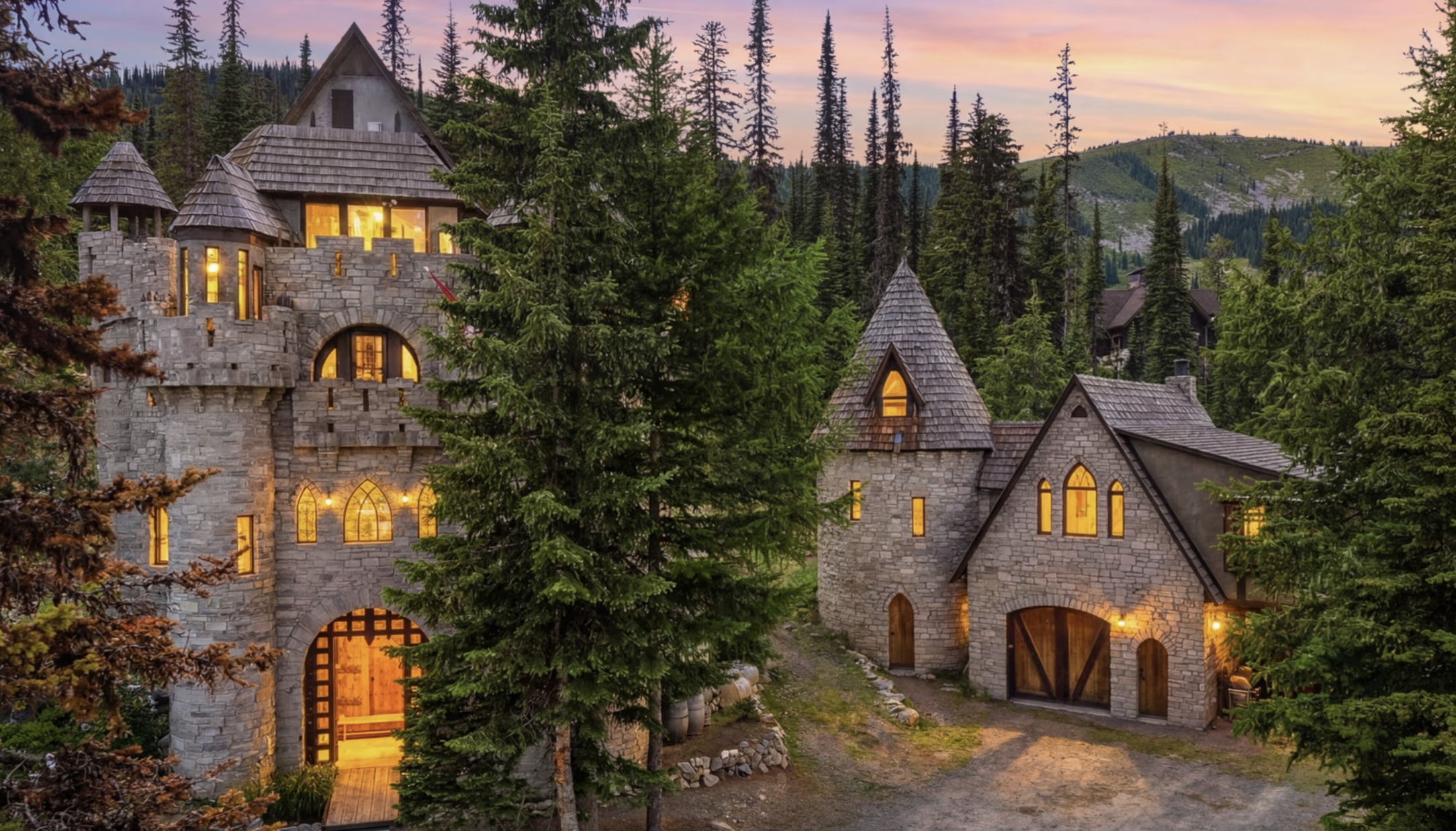
Inside Kew’s Grand “Prague House”
The expansive pile is one of the finest Victorian-style homes in Melbourne.
By Terry Christodoulou
Fri, Apr 22, 2022 3:36pm 2 min
2 min
2 min


The expansive pile is one of the finest Victorian-style homes in Melbourne.
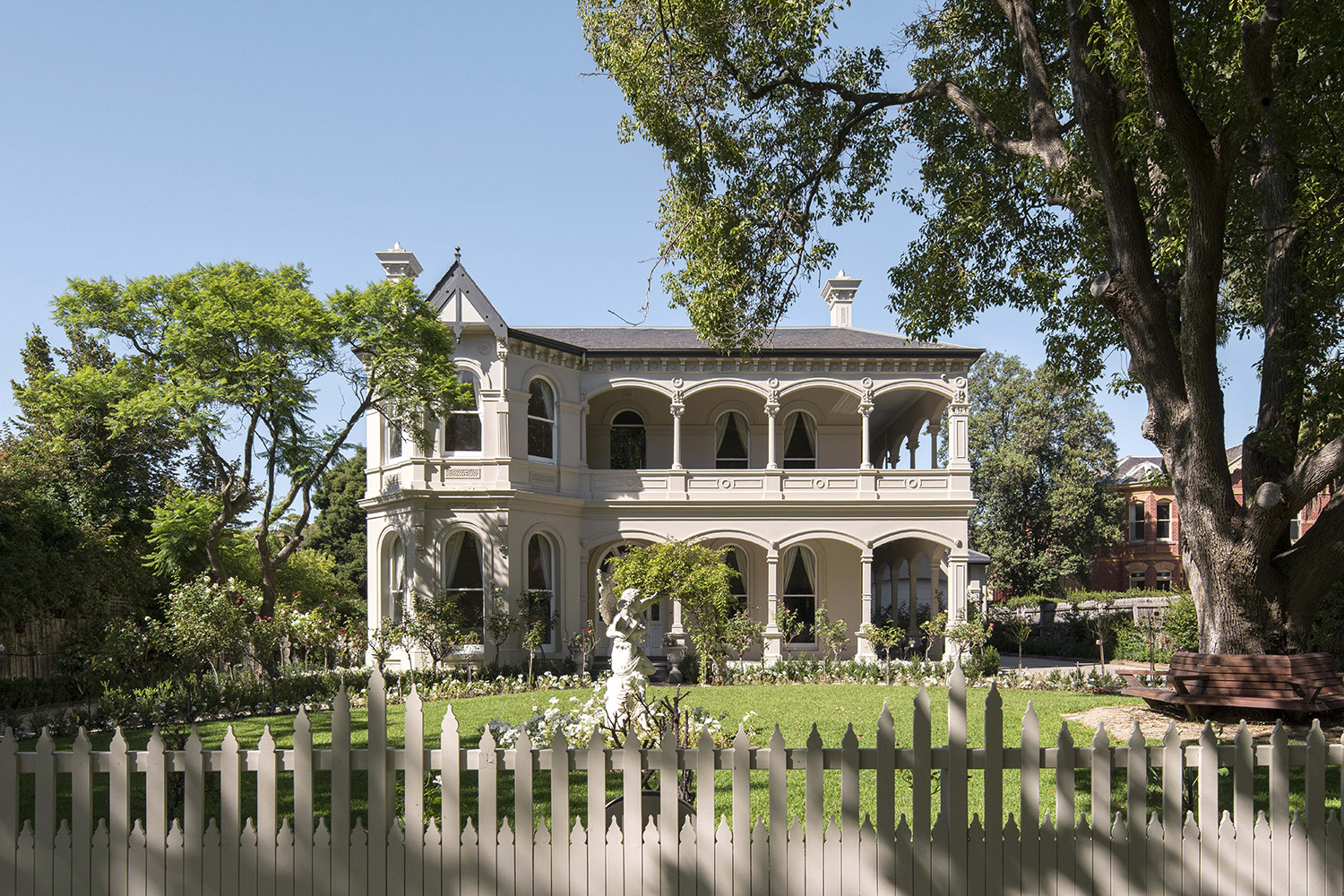
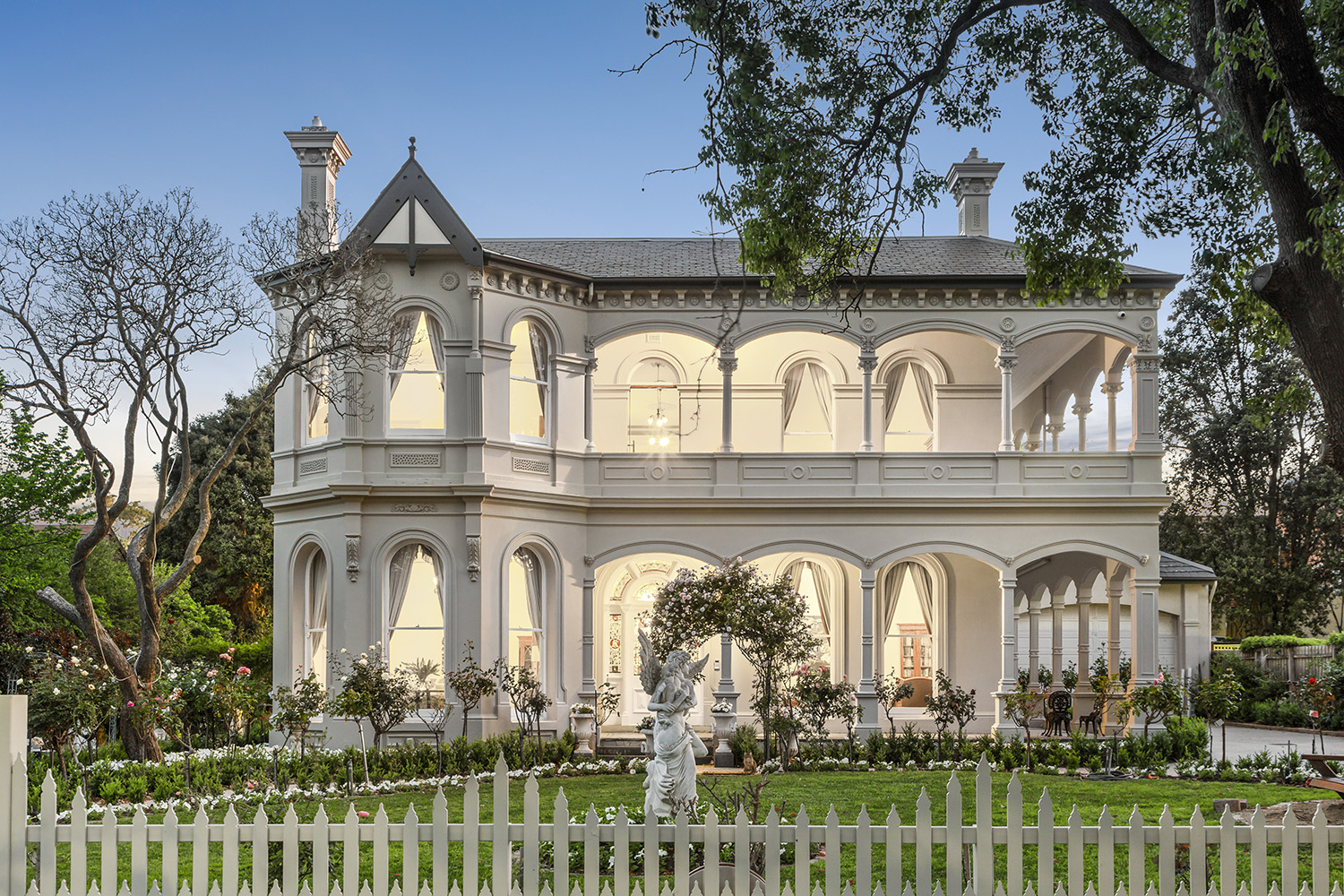
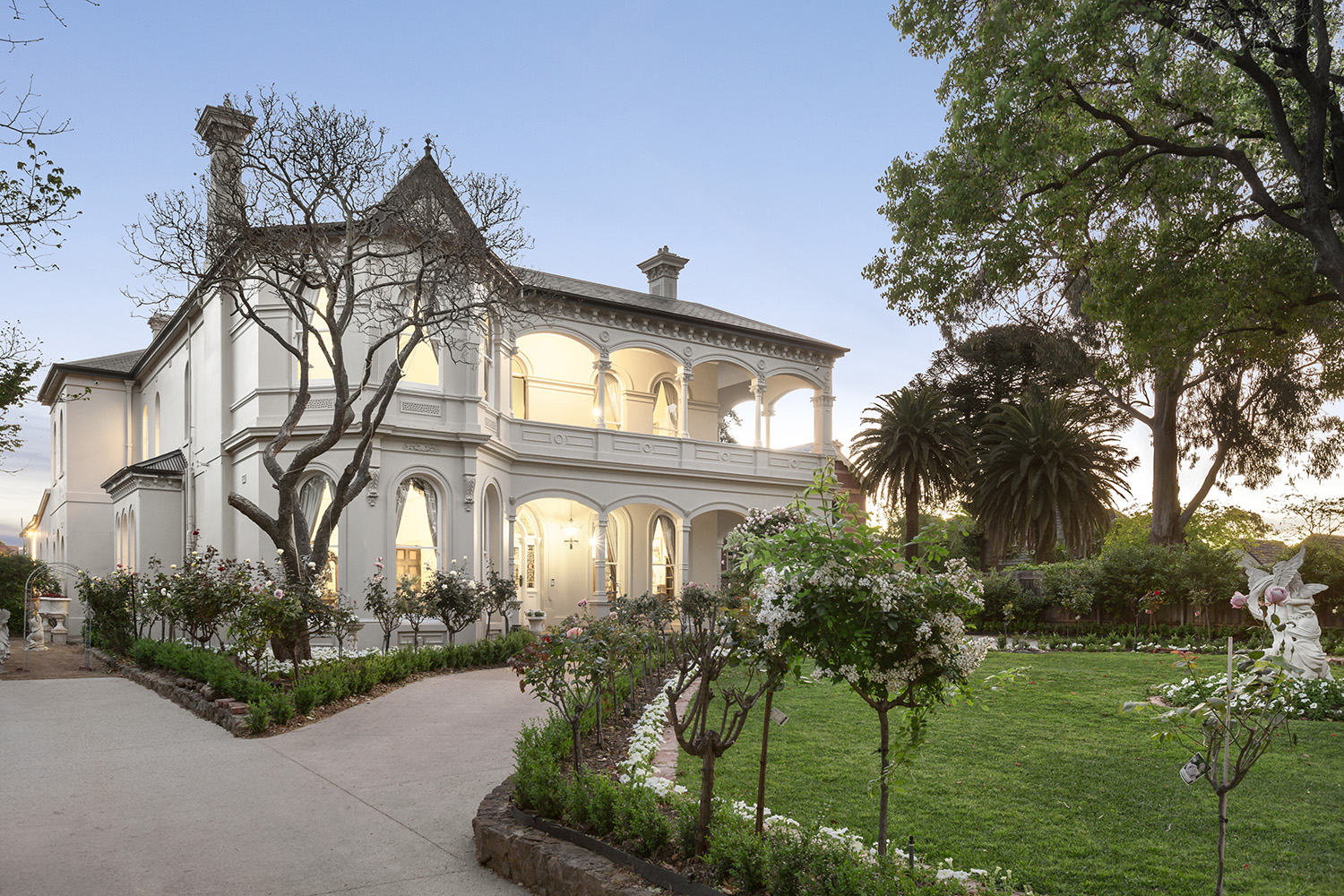
2 minThe landmark Victorian slate-roofed residence, “Prague House”, formally known as “Dunboe” is arguably one of the finest period mansions in Kew, Melbourne.
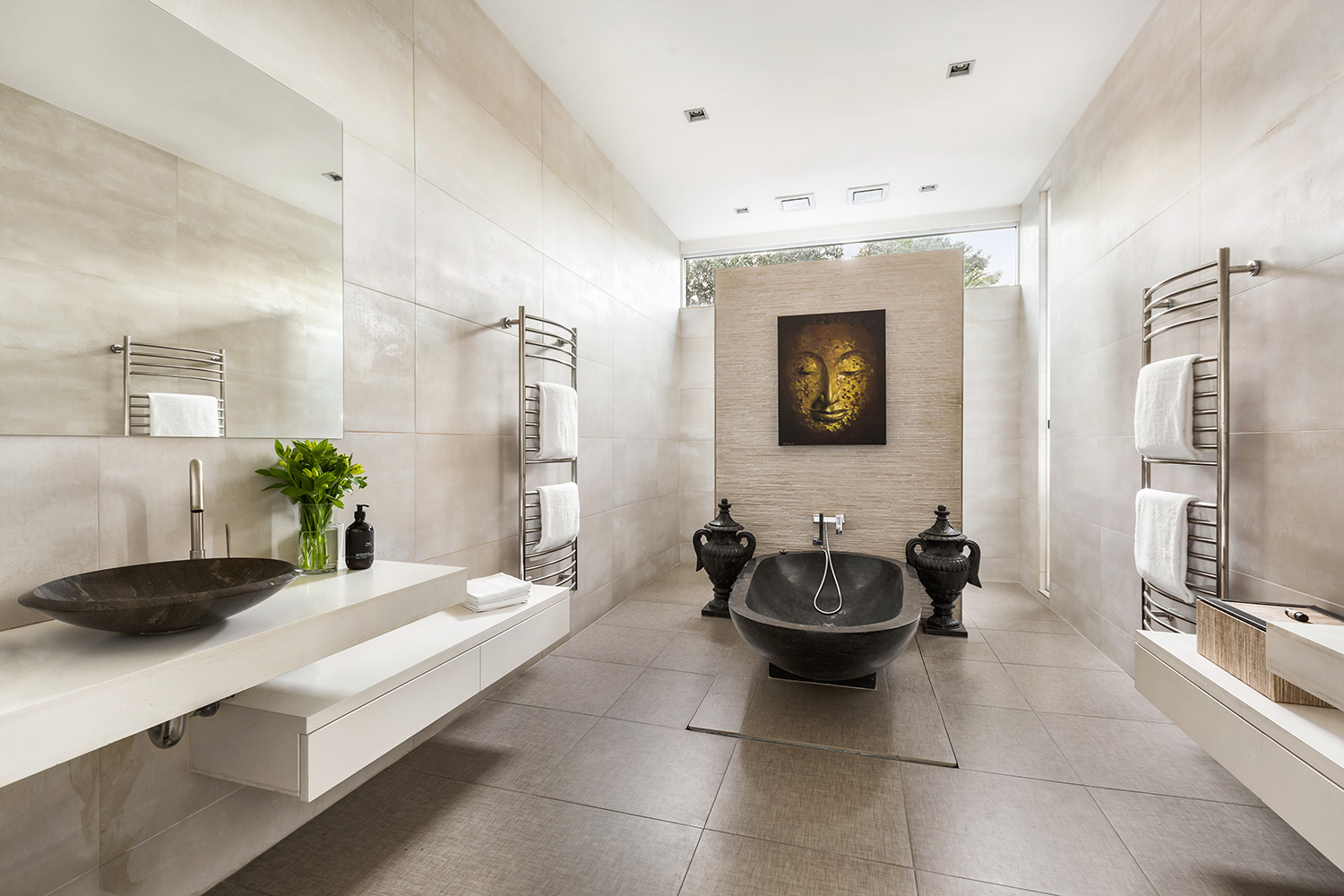
Set back from Sackville Street, the circa 1880s-built home of 6-bedrooms, 6-bathrooms and 4-car parking is set on approximately 3400sqm of lush gardens with beautiful mature trees that speak to an era of gracious living undertaken on a grand scale.
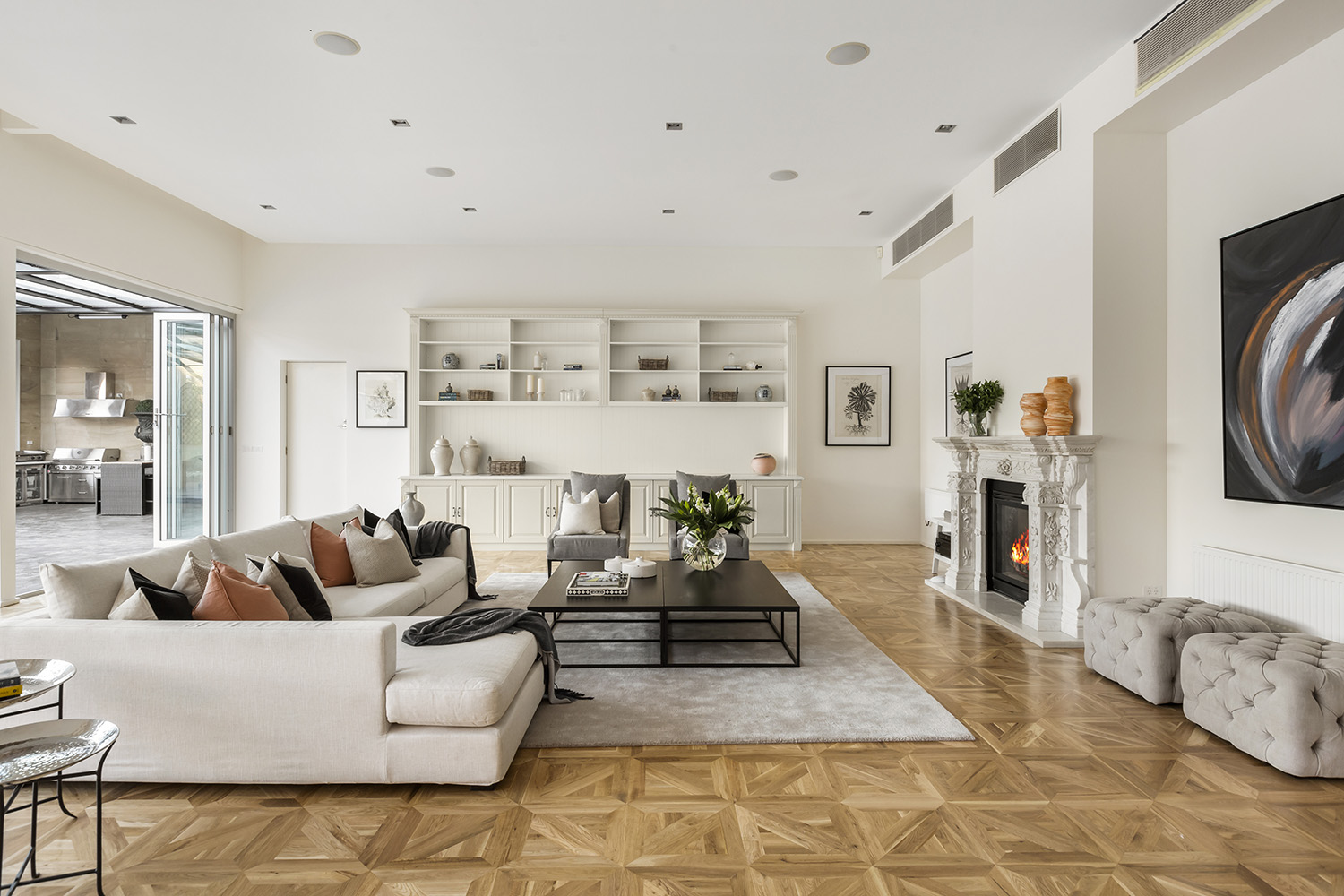
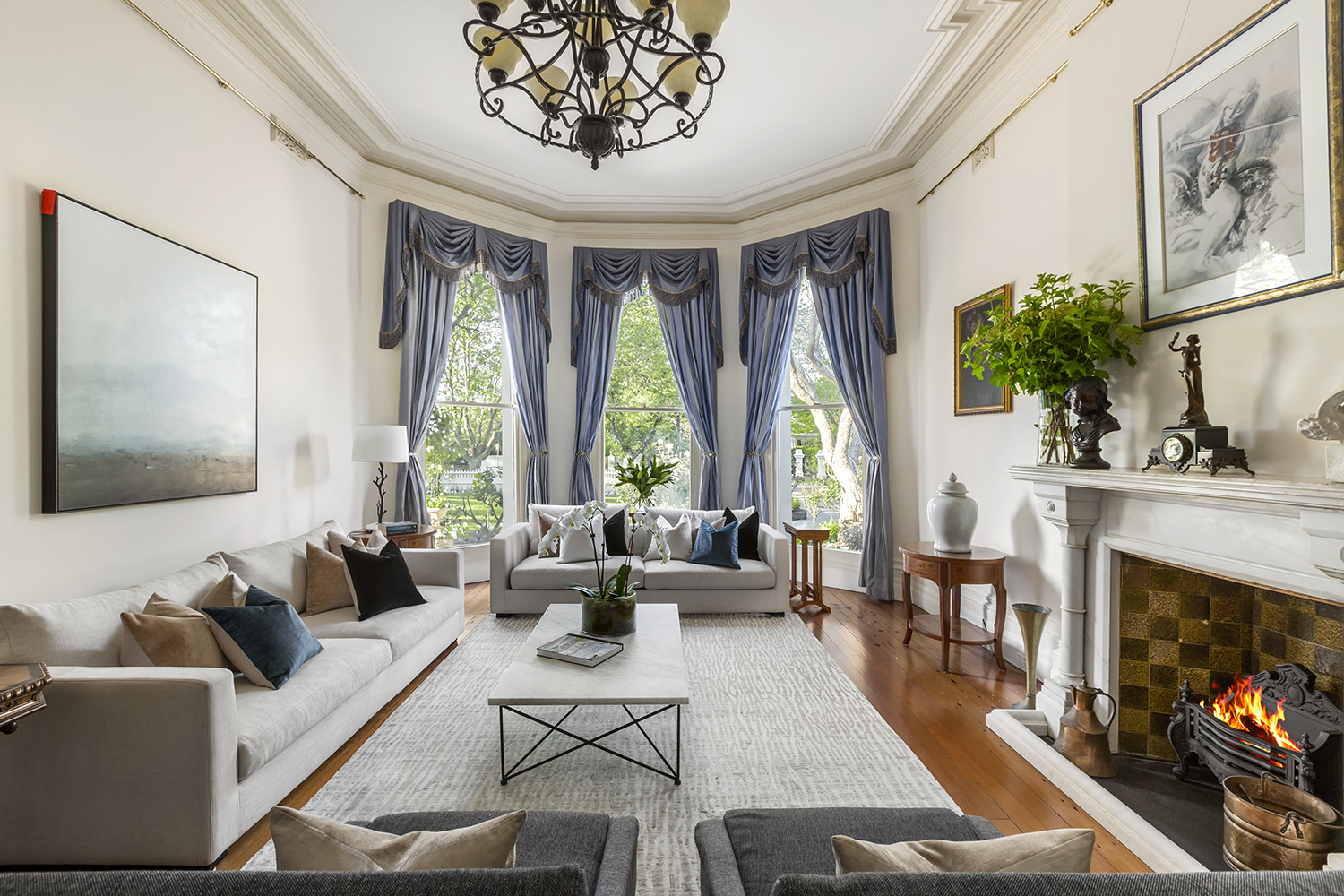
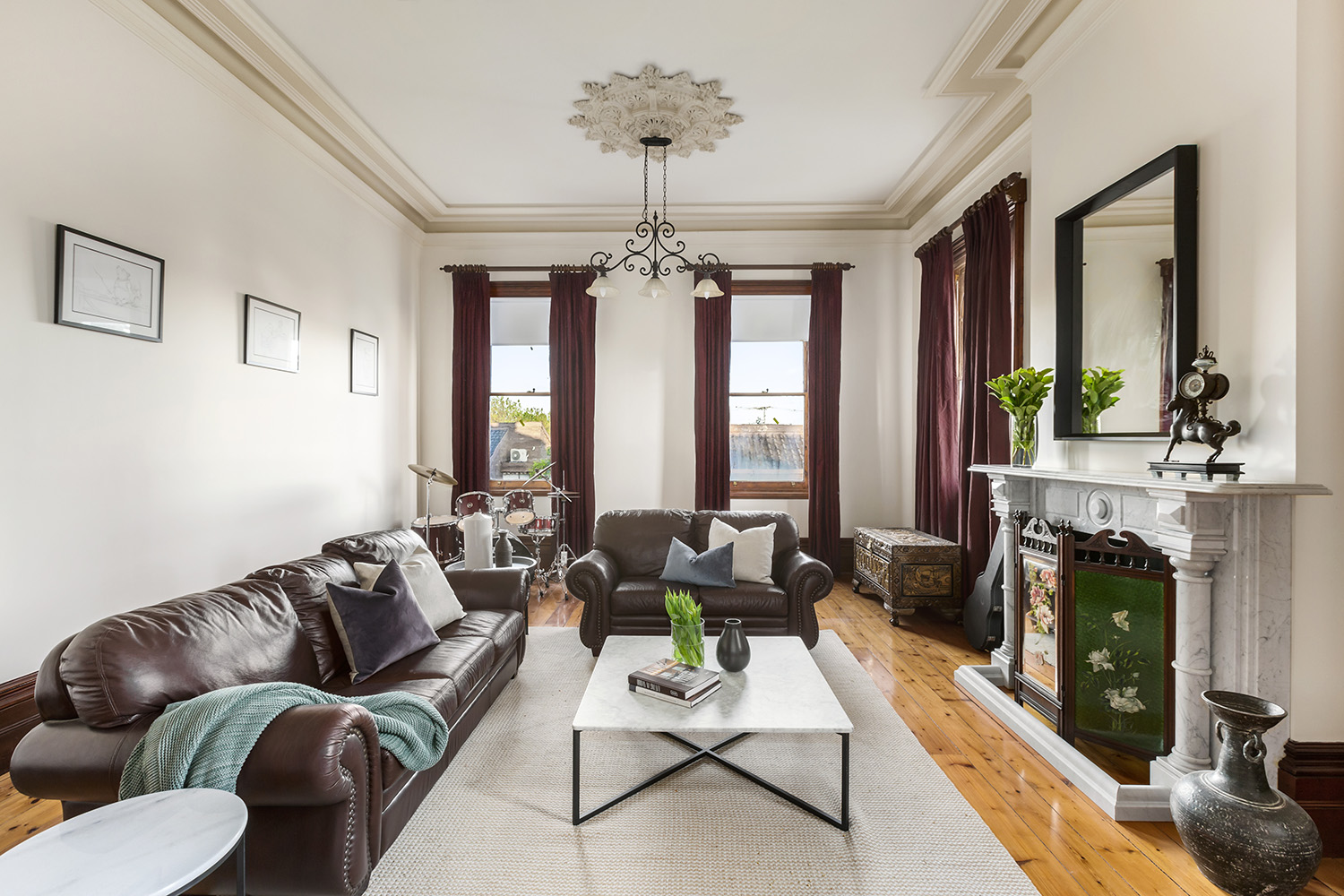
Today, Prague House offers a heady combination of Victorian elegance — through the restoration of character features such as the original staircase, arches and mantles — and modern amenities for entertaining and living.
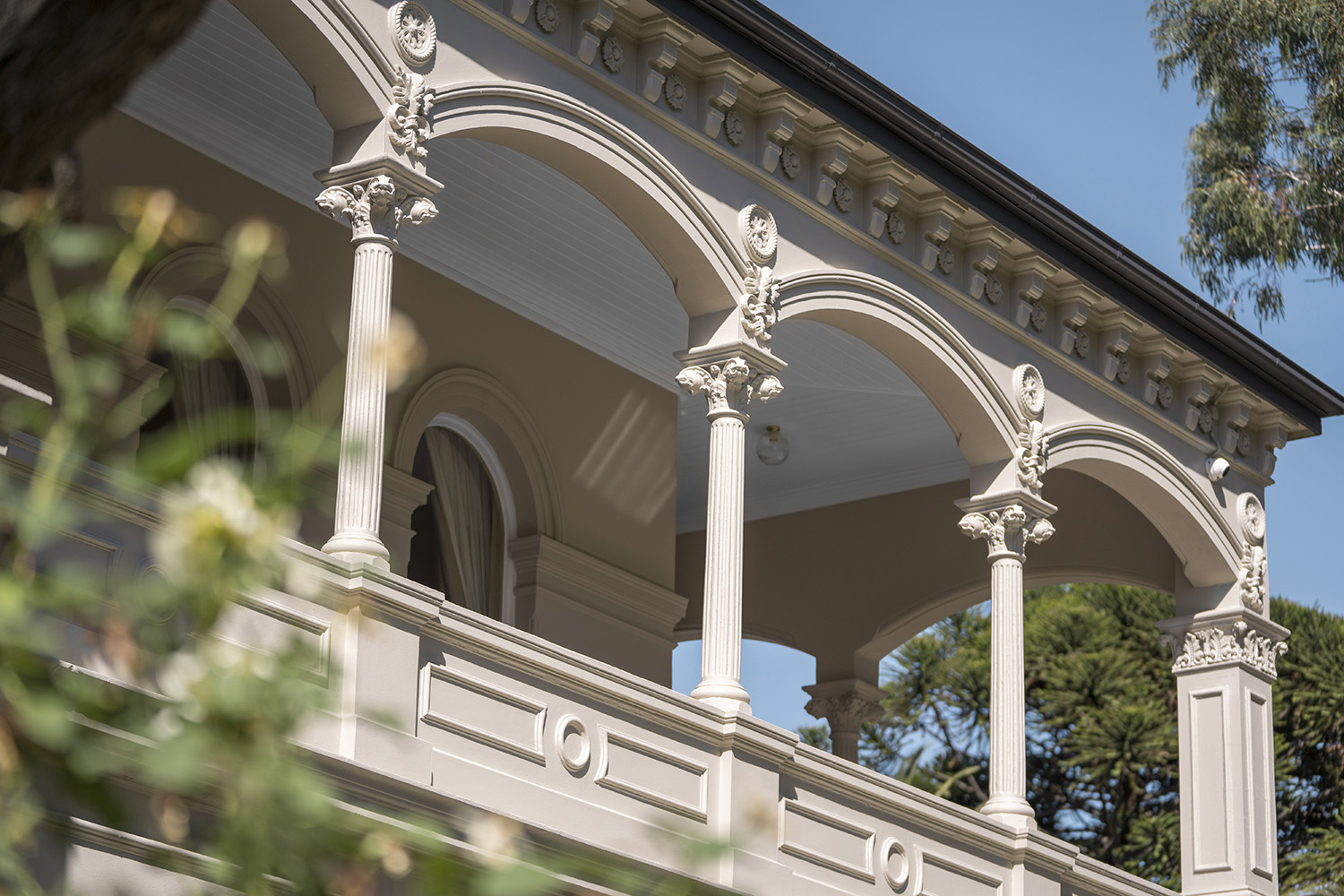
Inside, the home’s generous proportions are complemented by 4.5-metre ceilings and exquisite period attributes including ornate external rendering, stained glass windows and ceilings ornately decorated cornices, arches and columns.
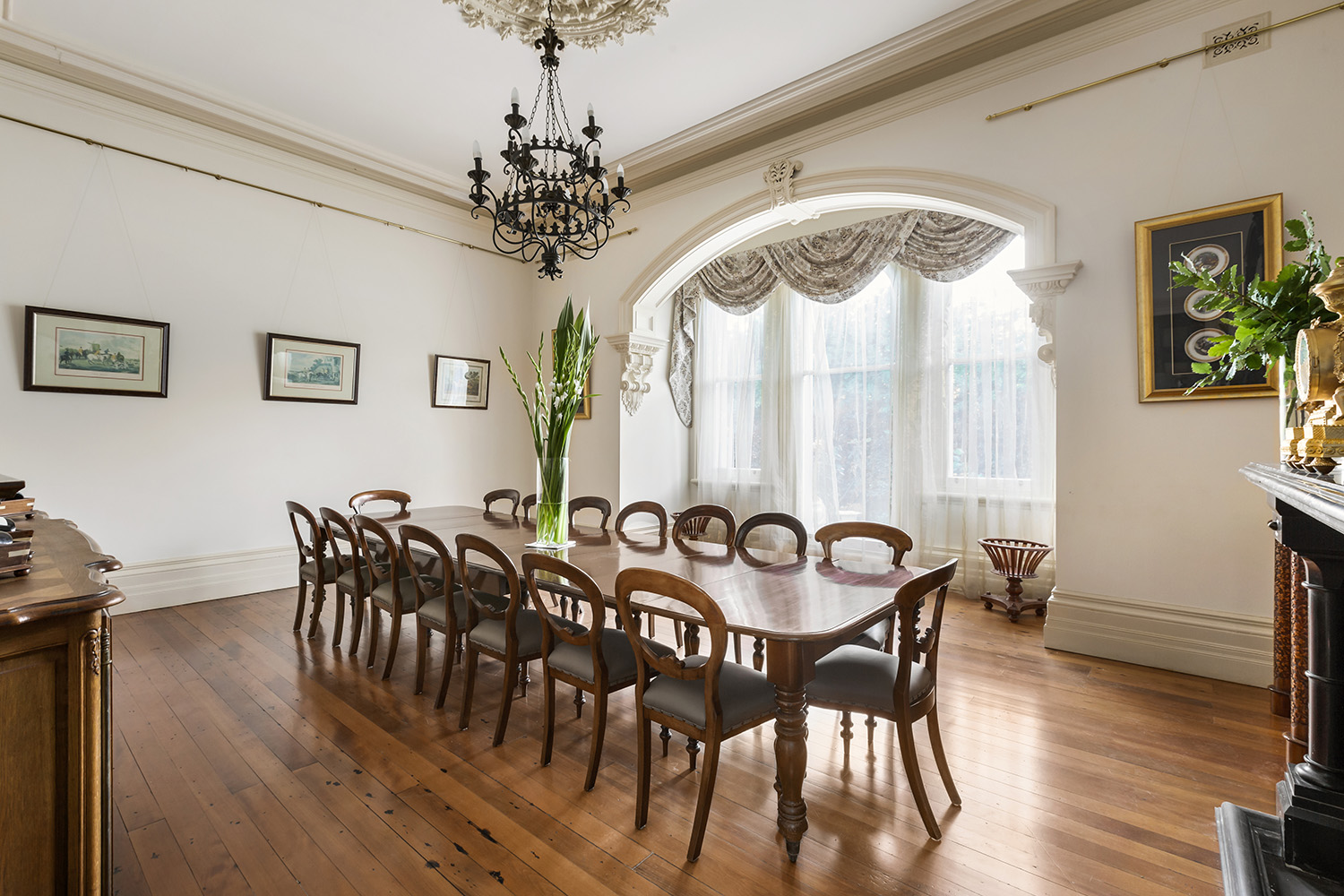
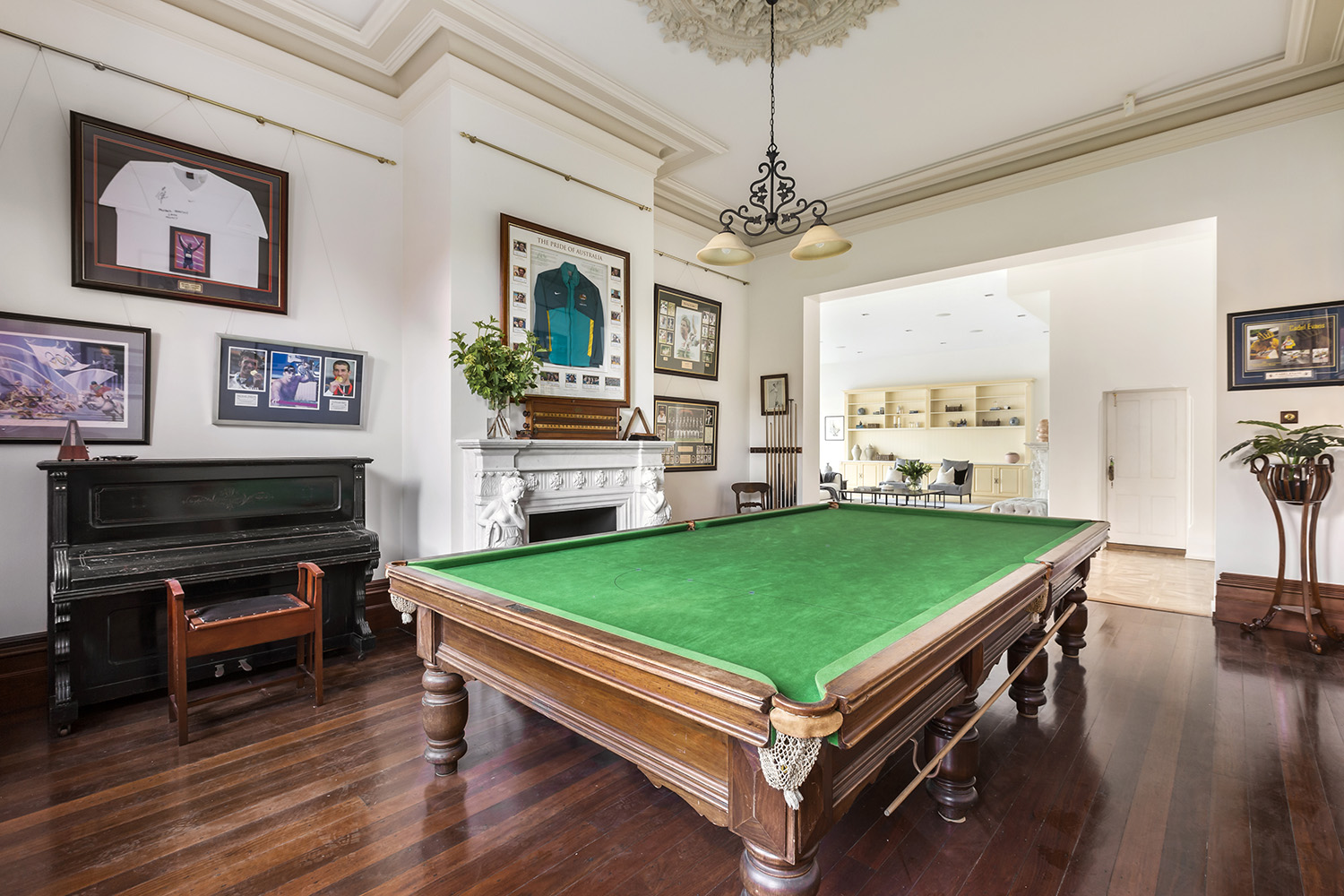
Downstairs the entrance hall features a tessellated tile that leads to a large study, formal sitting room and dining room with an arched bay window and Black Belgian mantle alongside a billiards room. The home sees 12 (yes, 12) marble mantels, with eight of them in original condition.
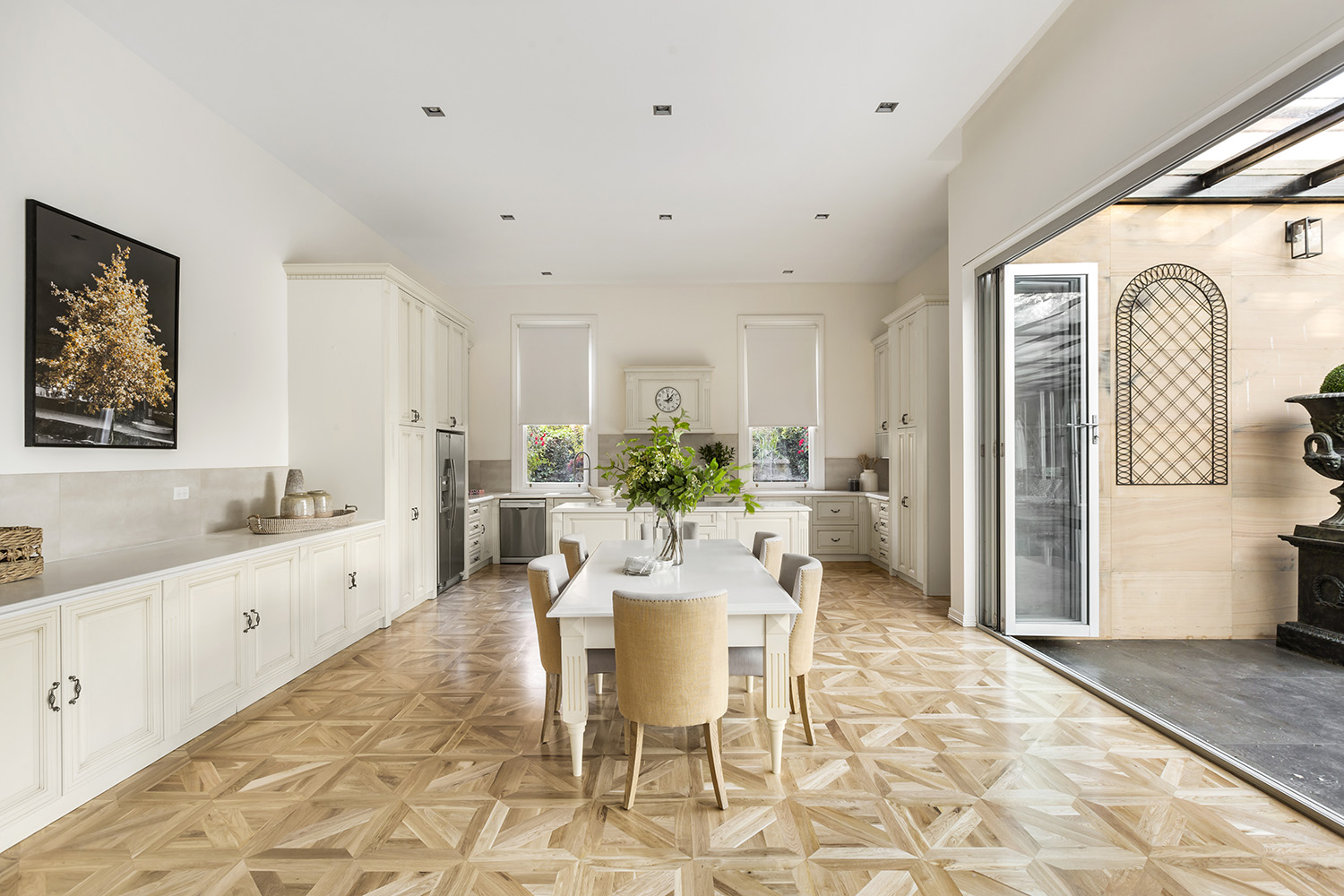
Central to the home’s function is the expansive contemporary family domain boasting herringbone parquetry floors and incorporating a kitchen equipped with stone benchtops, an island bench and prestige Smeg appliances plus a butler’s pantry.
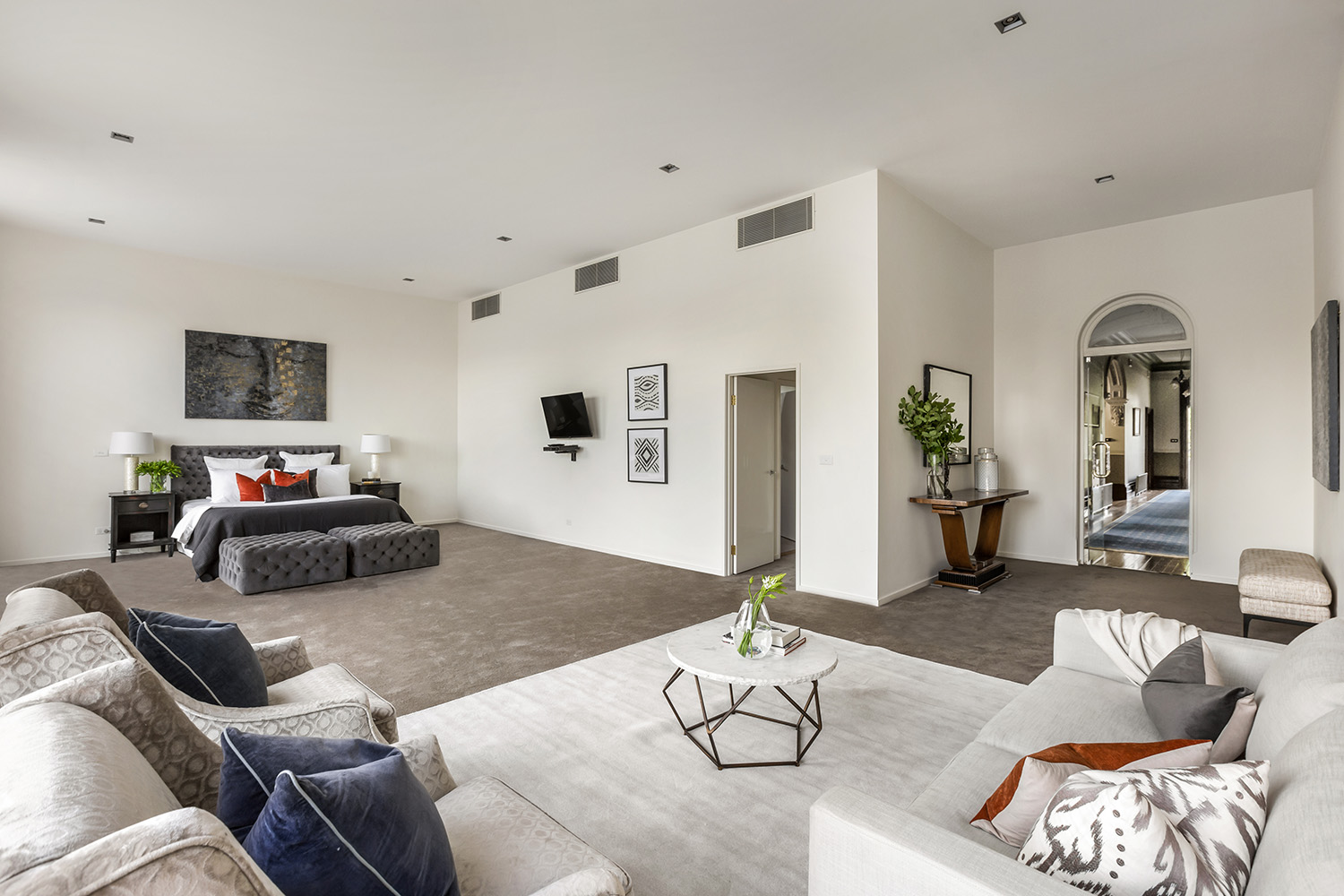
Upstairs features the flexibility of five bedrooms including a sumptuous main with walk-in-robes, and a glorious ensuite with a floor-to-ceiling glass wall overlooking the rear gardens as well as a retreat or playroom and a family bathroom.
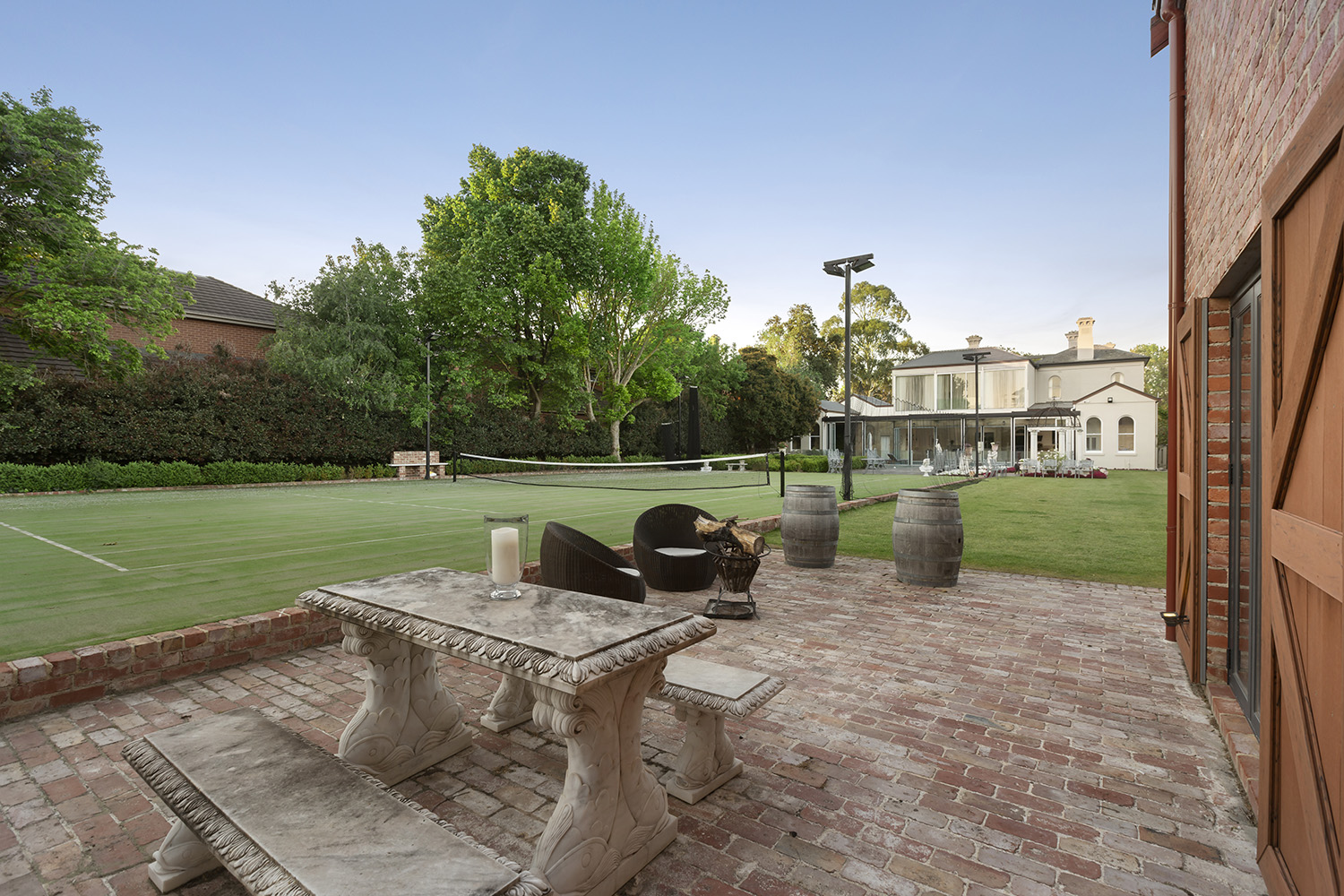
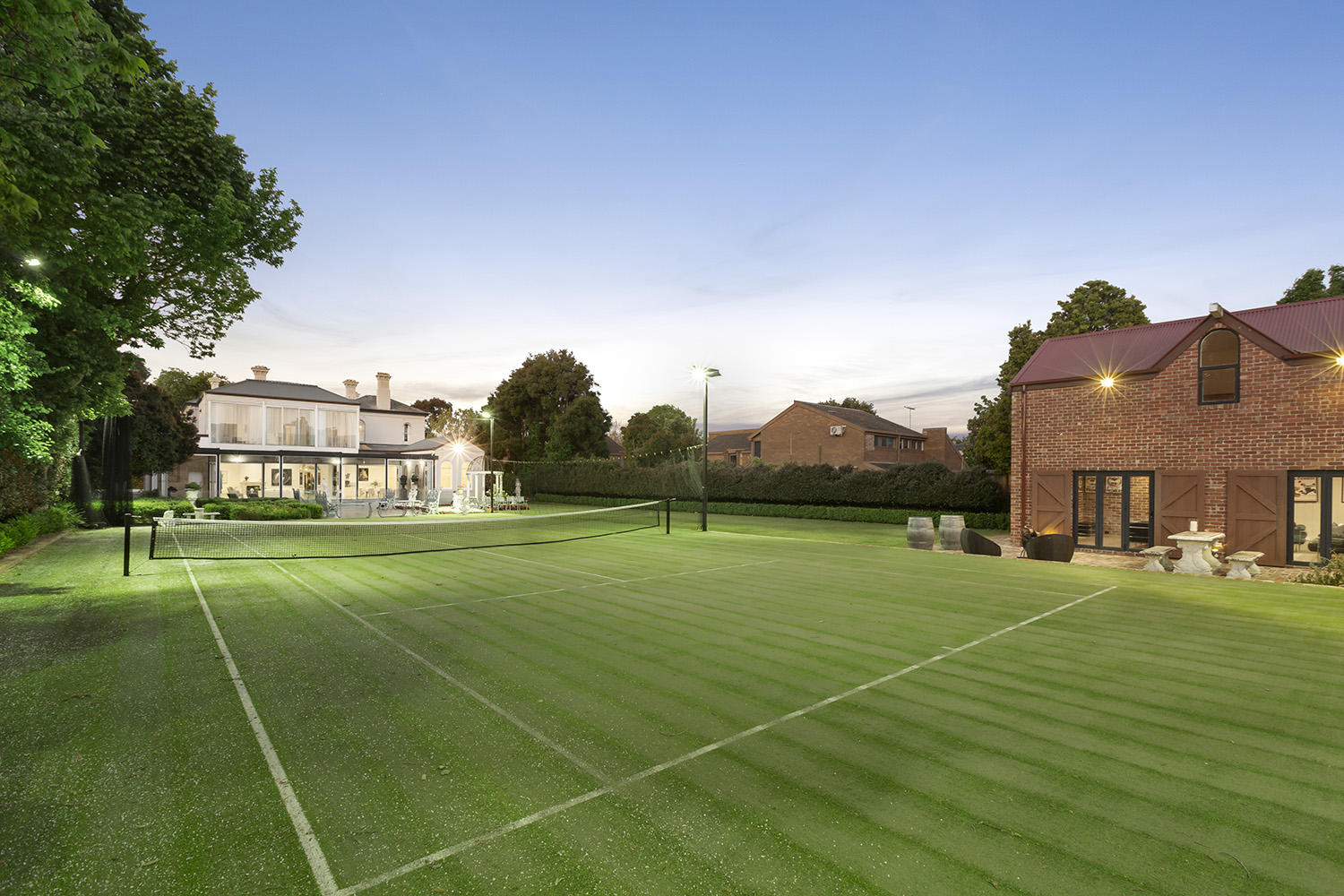
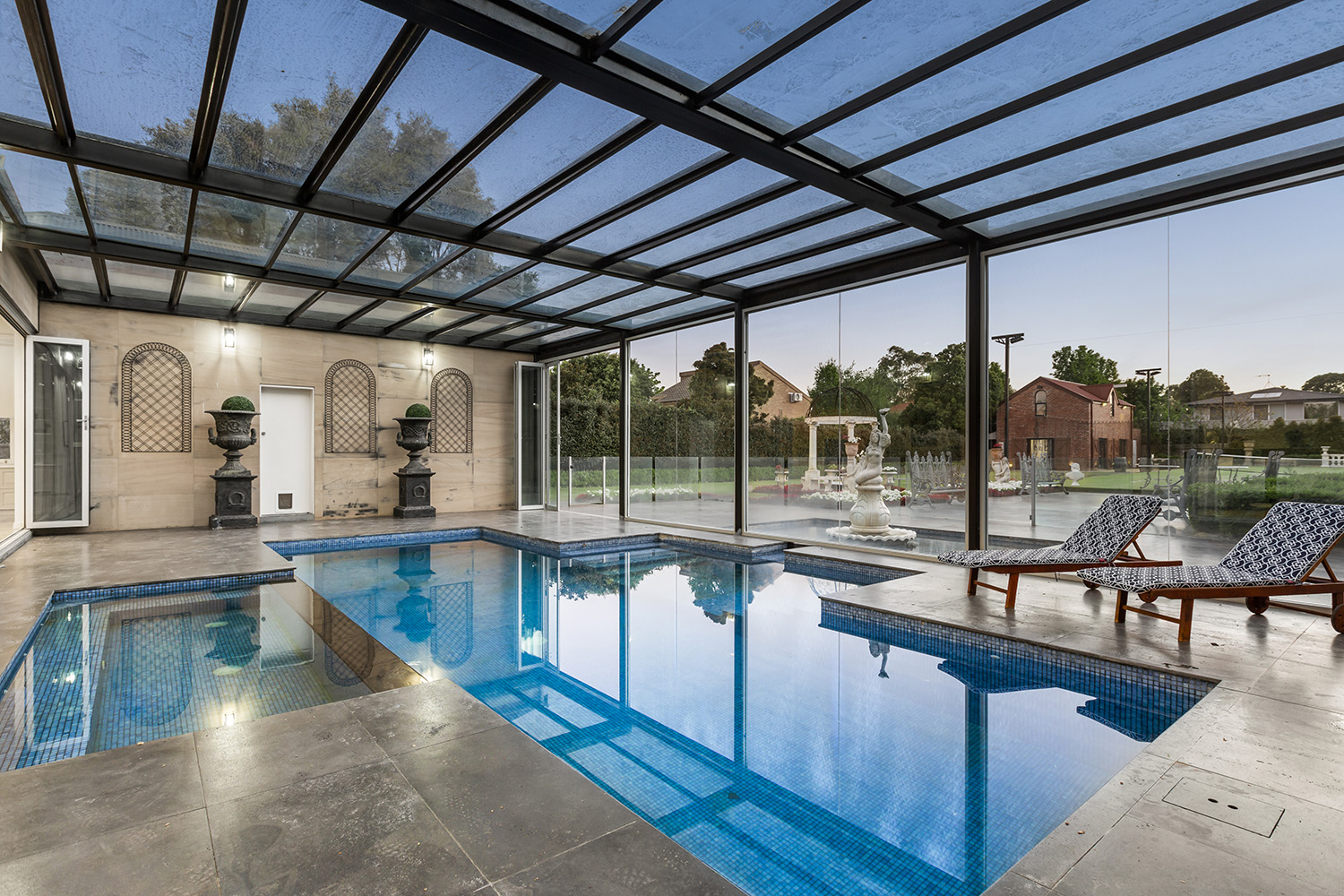
The covered pool helps the home’s entertaining space transition from indoors to outdoors and accompanies the alfresco entertaining area that is completed by a barbeque kitchen that overlooks the night-lit tennis court.
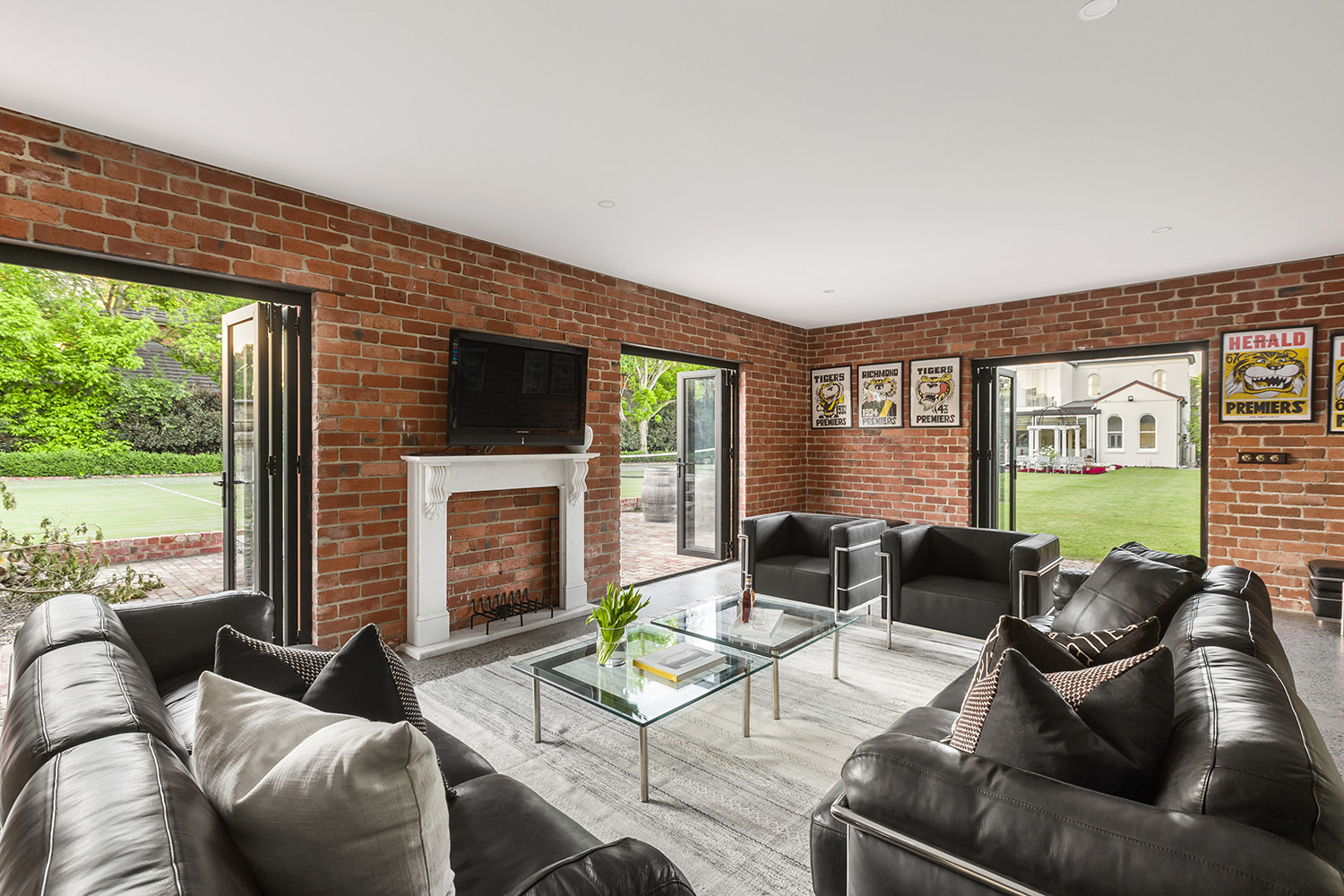
Also found on the grounds are large lawn areas, retreats and rebuilt Victorian stables uses as a pavilion, outdoor entertainment area or possible self-contained guest accommodation or home office.
The listing is with Marshall White’s Marcus Chiminello (+61 411 411 271) with a price guide of $16.5m – $17.5m; marshallwhite.com.au

The Australian leather house has opened an immersive four-day pop-up in Manhattan, unveiling its Bloom Collection and redefining what a product launch can look like.

Following the successful launch of its Palais Collection, MAISON de SABRÉ has unveiled a new modular handbag system offering more than 720 styling combinations.
The US housing market remains under pressure as high mortgage rates continue to weigh on affordability and demand. Industry leaders say 2026 has been one of the toughest years for home sales, with slower price growth, weaker mortgage activity, and fewer buyers entering the market. However, experts say reduced competition and more price cuts could create opportunities for well-prepared buyers.
2 min
The typically busy spring season for the housing market was a dud, and the summer isn’t looking much brighter.
Housing services companies like Zillow Group and Rocket RKT +3.78% were loud and clear last week on earnings calls: Rocket CEO Varun Krishna called the quarter through June “one of the toughest spring housing markets in years.”
Jeremy Hofmann, Zillow’s chief financial officer, said on a conference call that the company predicted earlier this year that the market for mortgages would be flat. “We actually now think it’s going to be down low-to-mid-single digits,” he said.
The rest of 2026 will remain challenging for mortgage origination volume, says KBW analyst Bose George. The question now is what happens in 2027. “If mortgage rates remain [around] 6.75%, I think that’s going to be challenging even for next year,” he says.
But what’s bad news for mortgage companies could be a positive for bargain hunters. Buyers can expect prices to grow more slowly—or mildly decline—with less competition as long as mortgage rates remain unpredictable.
Mortgage rates at the beginning of the year were solidly below year-ago levels, notes Zillow senior economist Kara Ng. But they surpassed last year’s levels recently, she adds, referencing Freddie Mac’s weekly survey of 30-year fixed mortgage rates. Last week’s reading, at 6.69%, was higher than year-ago levels for the first time in 2026.
“From the affordability point of view, it’s going to get more challenging in the second half of the year,” she says. “And when affordability gets more challenging, that impacts sales and home price appreciation.”
Mortgage application data tracked by the Mortgage Bankers Association has cooled since the beginning of the year. The trade group expects that the number of mortgage originations in the remaining two quarters will lag behind last year’s levels, after exceeding 2025 levels in the first half.
Rocket’s early-stage data—which the company told Barron’s it derives from its brokerage Redfin, demand for its mortgage products, and signs in its servicing portfolio that a homeowner is preparing to refinance or move—“leads us to expect the third quarter mortgage market to be smaller than the second,” Chief Financial Officer Brian Brown, said on the company’s call. He added that such an occurrence is “something the industry has not seen since 2022.”
Prices will be about flat nationally, Ng says. Zillow’s most recent forecast, which shows how values are expected to change in the year ending June 2027, show them dropping in roughly half of the 100 largest U.S. metros for which data is available.
Buyers aren’t rushing in at a time when mortgage costs are rising and unpredictable. But those with the right combination of patience and cash could stand to benefit. “If you are financially qualified to buy a starter home, you are facing less competition and you’re more likely to get a price cut,” Ng says.