THE BUSINESS OF BEING OSCAR PIASTRI
Formula 1 may be the world’s most glamorous sport, but for Oscar Piastri, it’s also one of the most lucrative. At just 24, Australia’s highest-paid athlete is earning more than US$40 million a year.
In the high-octane world of international sport, homegrown Formula 1 star Oscar Piastri is big business. After a trailblazing 2025 season, Piastri is on track to be one of our most successful athletes ever. Almost certainly, he’ll be the richest.
The 24-year-old Melbourne-born driver inked a lucrative deal with McLaren reportedly worth US$41 million a year, making him Australia’s highest-paid athlete. Not bad for a Brighton boy who left home at 14.
When Piastri lines up on the F1 grid at Melbourne’s Albert Park this year, the world’s eyes will be on him as he attempts to achieve what no other Australian driver has by winning the Australian Grand Prix. Football might have the most fans (an estimated 3.5 billion), but F1 still commands around 430 million devoted followers.
According to F1 owner, US giant Liberty Media, the motorsport generated a whopping US$3.65 billion in 2024. While some of that revenue comes from ticket sales, media rights account for roughly a third of the pie. These include broadcasting deals with television networks that know the adrenaline-charged drama of F1 racing translates into ratings-winning viewing.
Adding to the fascination is the Netflix docuseries “Formula 1: Drive to Survive,” which tracks the lives of drivers, managers, and team owners both on and off the circuit. The big screen joined the party in 2025 with F1: The Movie, starring Brad Pitt as an ageing driver attempting a comeback, which proved a hit with cinemagoers, grossing US$624 million (A$946 million) worldwide.
Much like Grand Slam tennis, which counts Rolex and Emirates among its sponsors, F1 attracts prestigious brands such as Louis Vuitton, Moët & Chandon and TAG Heuer. It’s no surprise F1 drivers can command enviable salaries.
At the end of Piastri’s second season with McLaren, in 2024, the Aussie is reported to have pocketed US$34.5 million, including a base pay of US$7.8 million plus US$26.7 million in bonuses. His current deal with McLaren will see him in the team’s famous papaya orange colours until at least 2028.
Piastri also benefits from team sponsors such as Mastercard, as well as personal deals with companies including Quad Lock, software group Dubber, burger chain Grill’d and his father Chris Piastri’s automotive software company HP Tuners.
Piastri is undoubtedly a champion in a cut-throat sport where split-second decision-making at more than 300 km/h can mean the difference between a chequered flag and crashing out. But it’s his future marketability and brand potential where the young driver could outshine his rivals.
It may not, however, be as simple as saying more wins equal more money, according to Hans Westerbeek, Professor of International Sport Business at Victoria University.
“In modern F1, the financial equation is far more complex,” Westerbeek says. “A driver’s value to a team and to sponsors isn’t just measured by podium finishes. It’s about their ability to generate global attention, connect with fans, and represent the brand values of their team and sponsors.”
In the age of “algorithmic fandom”, Westerbeek says digital engagement through social media matters just as much.
“A spectacular overtake that goes viral on TikTok may deliver more commercial value than a quiet second place,” he argues. “Teams and sponsors now monitor real-time sentiment data on how fans react online to every race weekend, and this affects negotiations and commercial deals.
“So, Oscar’s growth in earning potential depends on a combination of performance and digital visibility.”
When Piastri crashed out in the Azerbaijan Grand Prix in September, he was understandably deflated, telling Sky Sports F1 the race was “not my finest moment”. And yet Piastri’s first-lap exit drew most of the headlines, not rival Max Verstappen’s win.
“In many ways, F1 drivers are no longer just athletes; they’re content creators,” Westerbeek says. “An unexpected post-race interview that resonates globally might drive as much sponsor interest as a podium finish.
“The sport’s economics are shifting from pure sporting results to a hybrid model of performance plus digital storytelling.”
The Australian leather house has opened an immersive four-day pop-up in Manhattan, unveiling its Bloom Collection and redefining what a product launch can look like.
Following the successful launch of its Palais Collection, MAISON de SABRÉ has unveiled a new modular handbag system offering more than 720 styling combinations.
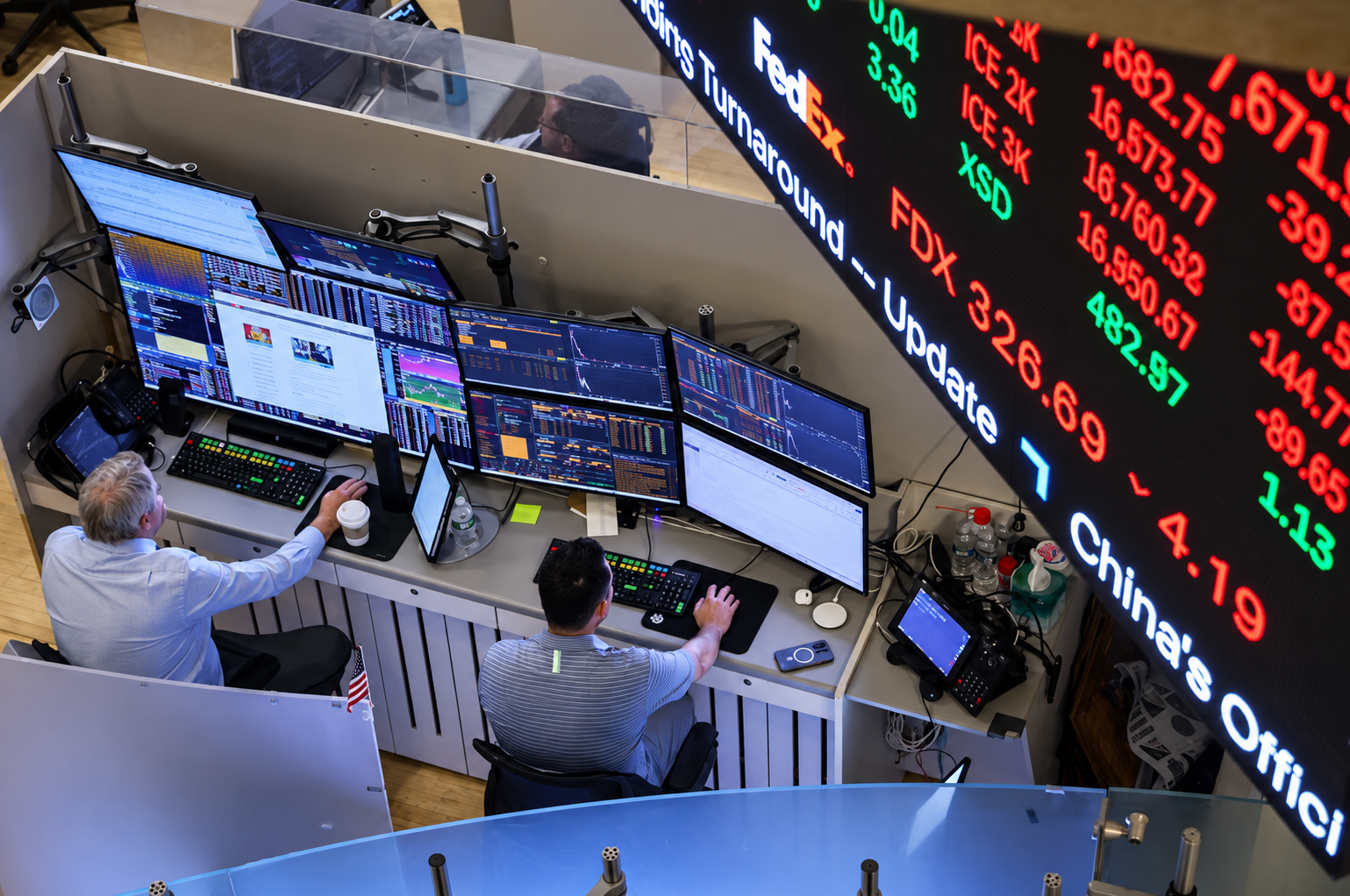
Gold miners are emerging as a compelling way to navigate market uncertainty, with analysts pointing to strong cash flows, attractive valuations and rising profit margins. As gold prices stabilize above US$4,000 an ounce, mining stocks could offer investors both downside protection and long-term upside.
Gold is one of the market’s go-to hedges in rocky times. Don’t forget that gold miners’ stocks are too.
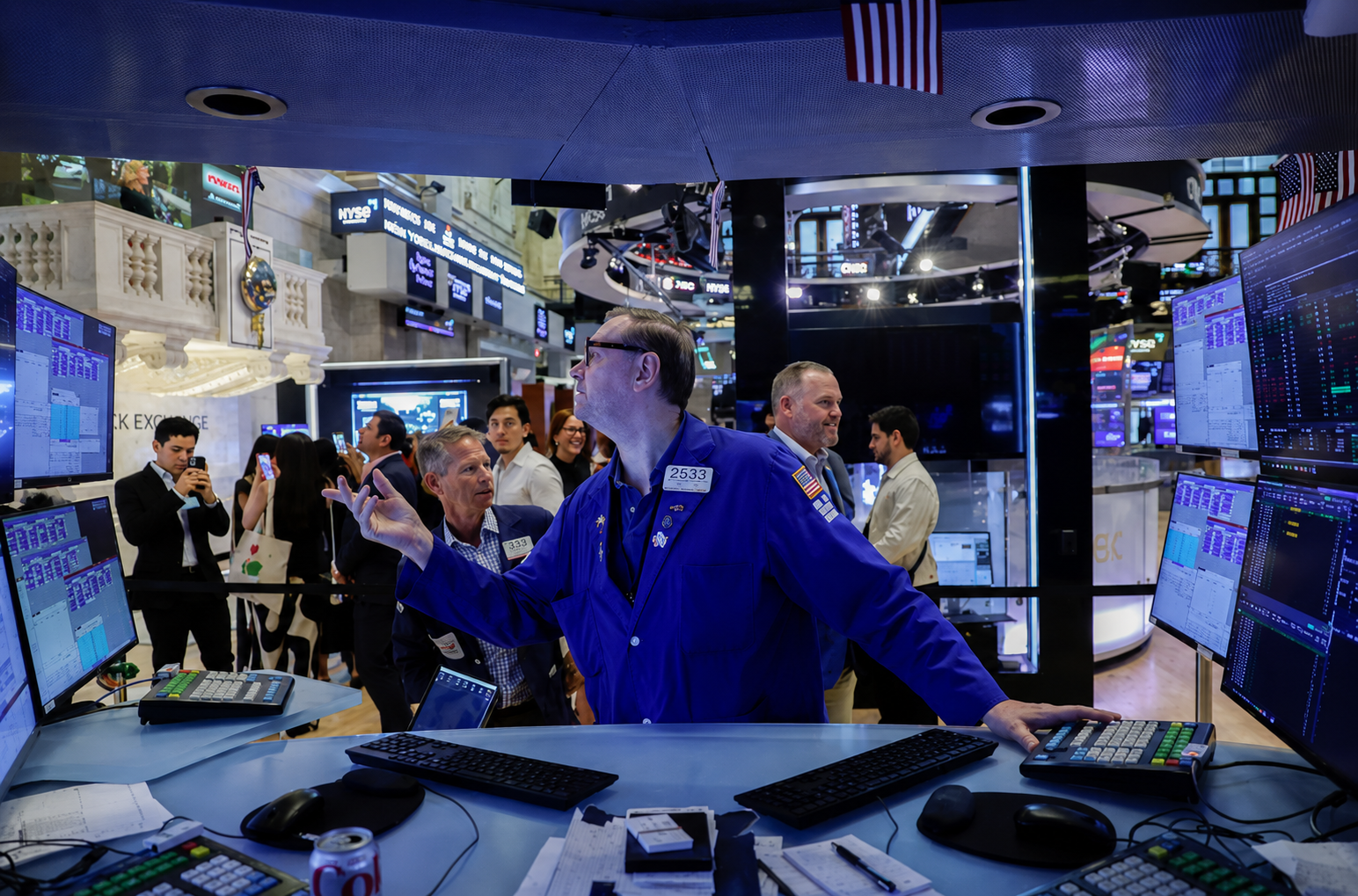
The stock market’s gains in 2026 belie the rocky macroeconomic picture: elevated inflation, heightened geopolitical tensions, and jitters about the artificial-intelligence trade. That backdrop, in theory, should be the time for gold to shine. Instead, the price of the yellow metal has tumbled more than 5% so far, after last year’s blistering 65% rally. In part, the U.S. dollar’s recovery has stymied gold, which benefited from the greenback’s weakness in 2025.
Even with the precious metal’s recent weakness, gold mining stocks could be the best way to profit from this year’s uncertainty.
Gold miners “are a valuable hedge against macro risks that would likely be damaging for equities,” BCA Research’s Noah Weisberger and Rishabh Shah wrote this week.
Concerns about the Federal Reserve’s next moves to tackle inflation, the increasingly crowded AI trade, and steep valuations for tech stocks are just some of the drivers that could help gold’s price get on even footing— and lead to even bigger gains for miner stocks.
These stocks’ prices tend to outpace gold’s moves, because the companies have fixed operational costs. So when gold’s price rallies, their profit margins soar, and vice versa. For instance, the VanEck Gold Miners GDX +7.39% exchange-traded fund has fallen 11% this year as the metal has slumped.
Now, gold’s price just needs to stabilize to help miners’ stocks take off, and that seems to be happening. The precious metal has recently found support above the $4,000 level, and has stuck in a narrow range since the end of June. But its price rose ever so slightly in July, ending a four-month losing streak for the metal. Technical analysis also suggests that gold is due for a comeback.
Barron’s recently wrote that the pullbacks for both gold miners and the metal itself are overdone. Senior technical analyst Doug Busch noted that the VanEck ETF is on the “verge of a breakout” and has the potential to hit $11o in early 2027, up more than 40% from its current price.
Gold miners also have more than their role as a market hedge going for them. Their fundamentals are solid, too, says Chris Mancini, portfolio co-manager of the Gabelli Gold Fund.
“Precious metals miners are generating substantial amounts of free cash flow given profit margins of over $2,000 per ounce, and are returning this cash to shareholders through buybacks and dividends,” he said in an email.
“Buying the miners is a cheap way to get exposure to the price of gold,” he added. His fund owns Newmont NEM +6.71%, a Barron’s stock pick last year, and Agnico Eagle Mines as top holdings, as well as miners Northern Star Resources, Endeavour Mining, and Kinross Gold K+8.59%.
Miners are better businesses than they used to be, the BCA team added.
“Capex is more disciplined, margins are high and rising…and they are largely independent of the AI story,” Weisberger, BCA’s head of equities, and Shah, a senior analyst, wrote.
That last part is key. AI is disrupting the software industry and many other services and information-oriented businesses, and investors have piled into AI stocks. But ChatGPT, Claude, Grok, and other large-language models aren’t going to replace the need to mine for metals.
“Equity portfolios can benefit from exposure to quality that is uncorrelated to AI risk, and gold miners fit the bill,” the BCA team said.
They recommend that investors buy the VanEck Gold Miners ETF, which owns top miners such as Agnico, Barrick Mining ABX +7.24%, and Newmont.
An important bonus for big gold miners’ stocks is that their valuations are attractive after the gold’s pullback, too. The VanEck ETF is now trading at just a little more than nine times next year’s earnings estimates. That’s a big discount to its five-year average price-to-earnings ratio of 14, according to FactSet.
What’s more, the ETF is currently valued at a more than 50% discount to the S&P 500 SPX -0.17%, which is trading for about 19 times earnings estimates for 2027. Mining stocks have typically traded at just a 25% discount to the broader market over the past five years. So there is significant upside for the group if valuations move back toward normal levels.
One factor that complicates mining stocks as a market hedge, of course, is if stocks bounce back, which has been the case so far in August.
But both the market and economic outlooks remain cloudy, and investors remain nervous about the Fed’s next moves and AI stocks. Gold miners should do just fine, even if the anxious mood on Wall Street persists.