Interview: Blainey North, Architect / Interior Designer
Post-COVID interiors and why trends are little more than “background noise.”
By Richard Clune
Wed, Apr 21, 2021 1:21pm 7 min
7 min
7 min


Post-COVID interiors and why trends are little more than “background noise.”
7 min
Blainey North’s surname fits well – the ebullient Sydneysider and enviable multitasker on an upward trajectory like few others.
Architect, interior and industrial designer, entrepreneur, business leader and firm Australian success story, North is a standout, having launched her eponymous studio at 21 and pushed hard to achieve ever since.
It’s meant working across a swathe of differing projects, from luxury Australian residences to hotels (Crown Towers and Metropol but two), megayachts (the 54m Mischief), restaurants (Bistro Guillaume) to the world’s tallest residential tower (New York’s Central Park Tower) and more.
We caught up to talk Bladerunner, ‘Zoom walls’ and gender neutrality in design.
Kanebridge News: So much of your work is framed by a sense of architectural allure – which perhaps isn’t surprising as this was your chosen field of study, right?
Blainey North: Yes, I studied architecture and always approach our projects with an eye focusing on the built elements before I even look at the interior decoration. I believe interiors should be crafted with the walls, ceilings and floors becoming part of the consideration in shaping the idea.
KN: Does having such greatly assist in your design process and also your industrial design work with the various Blainey North Collection pieces?
BN: The rigour in designing a piece of furniture is the same as that of a building, it’s just a set of entirely different problems to solve. I love the freedom of designing the furniture and lighting pieces as they are like beautiful little jewels that I can design without any client in mind. It’s a lovely artistic outlet for me. The latest collection, titled Man and the Machine was inspired by my deep fascination with the city and a bodies movement through it. It was almost an indulgence to be able to think and craft pieces based on a particular area of my interest.
KN: It’s arguably strange that more interior designers don’t produce their own pieces – what do you see as the main barriers to overcome here?
BN: To produce and manufacture something is far more involved than anyone would imagine. The design part is actually only a small fraction of what is required as the process of trial and error in prototyping, finding the right people to build it with you, the cost and the labour are all enormous factors in being able to produce a product of excellent quality. That’s all before you have a sale. I’m incredibly proud of our furniture and lighting collection, however it is a very distinct business to the interiors.
KN: How has COVID impacted or brought change to the way you approach (indeed, clients are wanting you to approach) certain aspects of residential interiors and spaces?
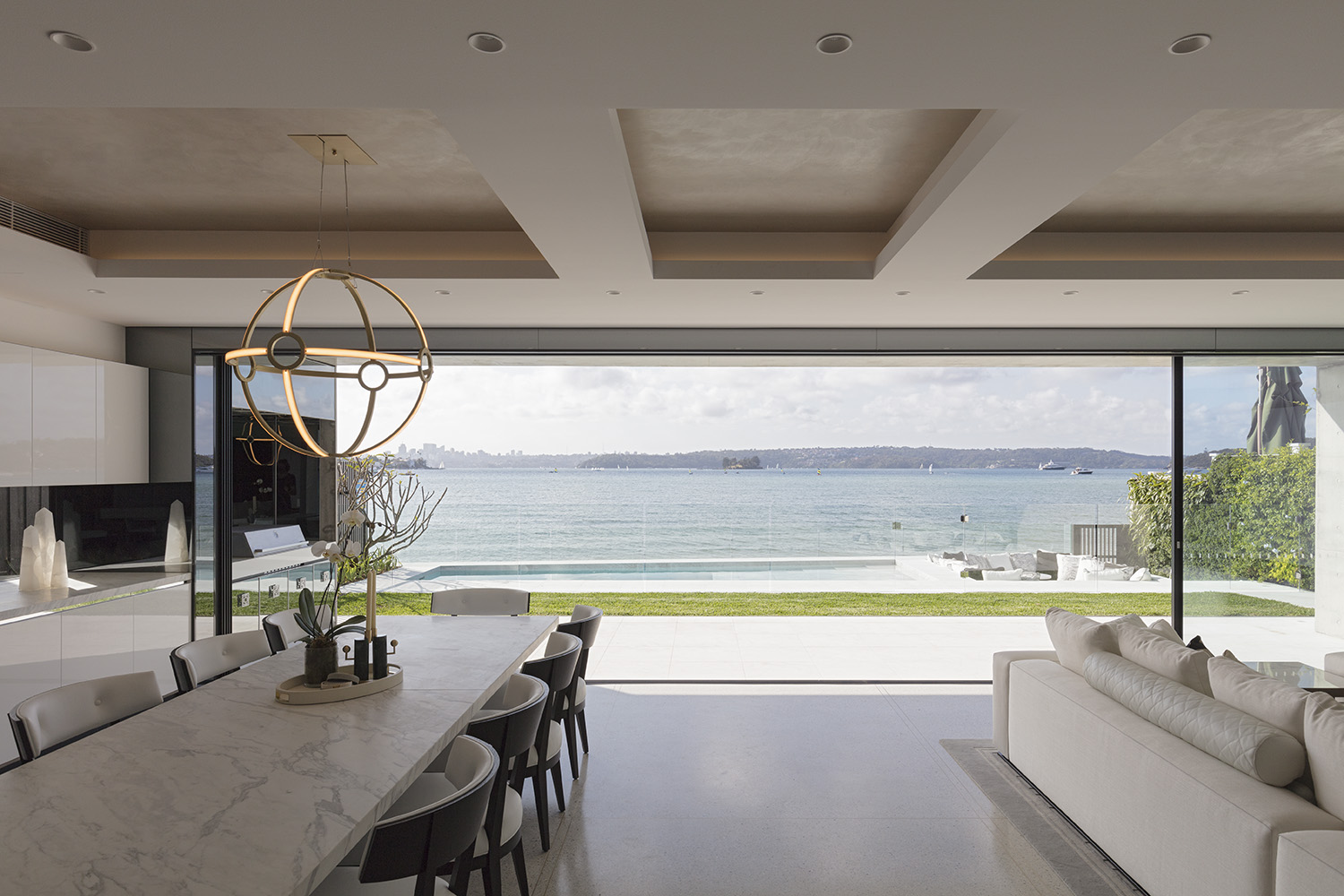
BN: People are again ‘living’ in their homes. By that I mean, they’re entertaining and spending time in and about the house. It’s similar to the1800’s in that respect, and so too there’s a desire for a similar traditional house layout — where the kitchen and the ‘working”’ parts of a house are separated from the entertaining. And so we’re designing homes again with butlers pantries and stand alone kitchens, formal dining rooms, formal lounge areas. It’s a return to the past… Oh, and we’re also being asked to design specific walls for people’s Zoom background, which is quite fun.
KN: Is there a preference when it comes to interiors — in regards to residential over, say, large scale ‘commercial’ efforts?
BN: I absolutely love working at a large scale – there’s a rush about building something that’s so much larger than you. We’re interestingly seeing a trend where homes and apartments are becoming far bigger, in both Australia and the rest of the world. Many of the homes and apartments we’re working on are over 2000sqm internal… Frankly, though, I love all forms of design and select the projects we take on based on whether I feel inspired by the brief and have a nice synergy with the client.
KN: I recall a want to make every project ‘magazine worthy’ — can you explain this philosophy?
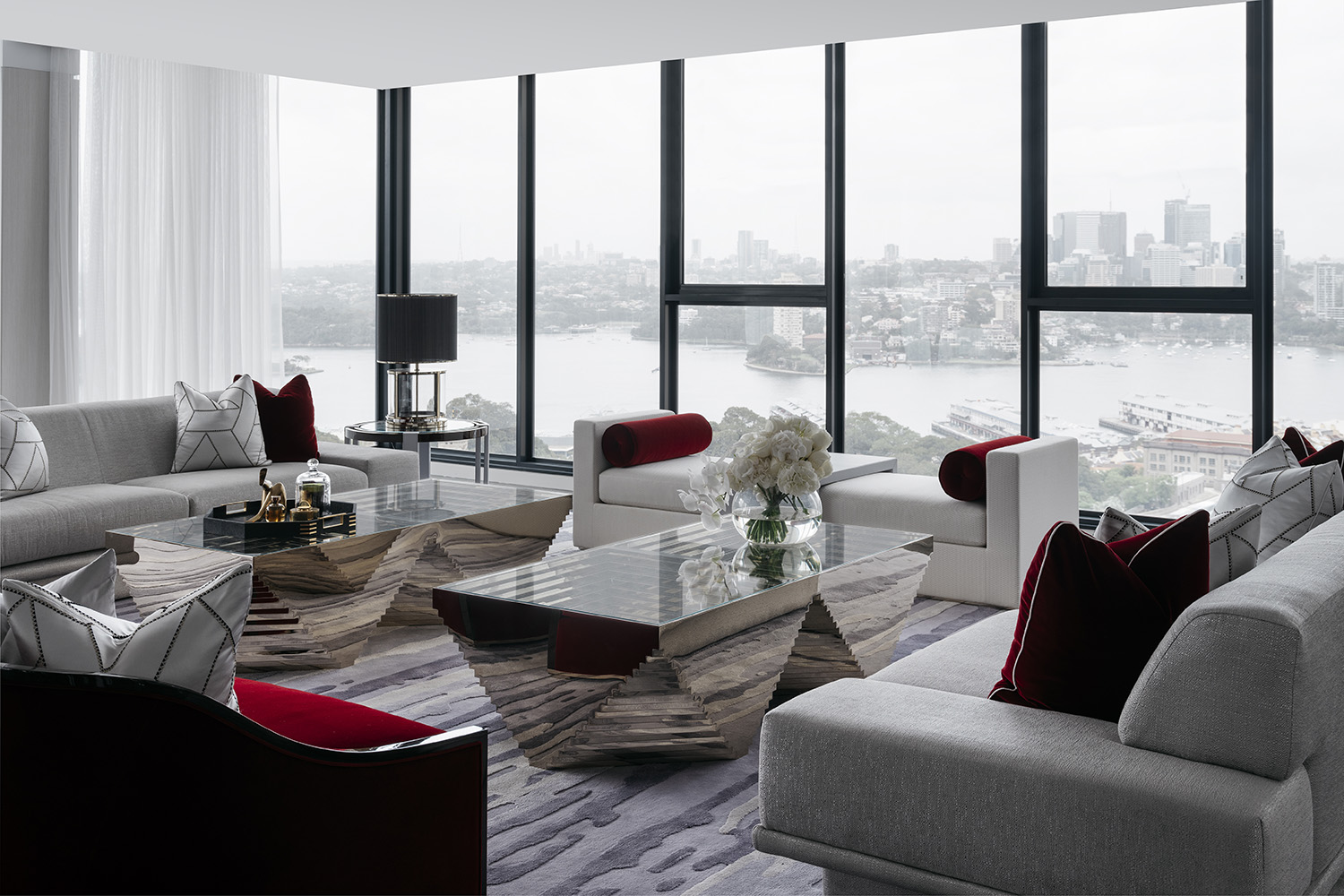
BN: Many design firms work on a model of designing a large number of projects with simple design and then take on a few special projects that they put extra time and energy into ( they might make a loss on these). My dream was to create a business where the everyday design process in the studio was so rigorous that every project was a project you were proud to show. It’s been a huge decision as it’s meant that financially you take a long term vision. However, right now, 20 years in, it’s meant we have a large body of work that we can stand behind and have so many repeat clients that we’ve worked with for over 15 years now.
KN: You don’t present, through your work and also on a personal level, as someone who necessarily follows or adheres to trends. Fair to say there’s a Blainey North narrative and that’s your focus?
BN: I do spend a lot of time researching and looking at what is current and new, however I’ve always been a lone wolf. Emulating trends in design is just background noise in my opinion. I believe that original design comes from a different place and a unique process, something we like to work with the client on. I like to think of every project being a grand scale couture dress – it’s designed and made just for you.
KN: If you did have to target some likely design trends to appear this year and across 2022 – what can people expect?
BN: Detail and craft – it’s like the 1920’s all over again. The world is coming out of a period of minimalism and great pain and we’re ready to celebrate again and see beauty in all aspects of our life. I think that will mean that creativity will flourish in all areas of the arts with a specific focus on our interior spaces, the ones we have spent so much of the year inhabiting. It’s an incredibly exciting time to be in my field.
KN: In regards to your aesthetics there’s often a sense of moody and arguable masculinity to some of the work — fair summation?
BN: I’ve always found this idea of gender based aesthetic so curious, I mean, what does it mean to have a male or female aesthetic? If it’s floral and curved should that mean it’s feminine? I can say that I attempt to be original in detail and concept in each of our projects, and bring that rigour to the detail as well. I think it’s that attention to detail and alignment that is similar to the principles of Art Deco.
KN: Where do you find inspiration — is much of it delivered, simply, by the everyday and all that surrounds you in Sydney?
BN: I’m usually researching something in my spare time — for example, I’m currently interested in the direction of Kris Van Assche, the creative director of Berluti. In his latest collection he’s been fusing the art of a particular ceramicist and morphing it into fashion in a way I haven’t seen before. It’s started me thinking about how I might use this same technique and apply it to our architecture and interiors. I’m sure that our next project will have some of this inspiration coming from the art world.
KN: Are Australians — generally speaking — becoming braver and bolder with their approach to interior and architectural design?
BN: I think there is a new appreciation for design as a whole. Australia has now seen that good design might be more expensive in the short term, but it can deliver financially in the long term. That means that the developers are enthusiastic about building good design and understand that can relate to better sales and longevity in the product.
KN: Do you feel international markets are increasingly looking enviously at the contemporary design aesthetics we’ve developed here — especially in relation to open interiors, use of light, airiness and so on?
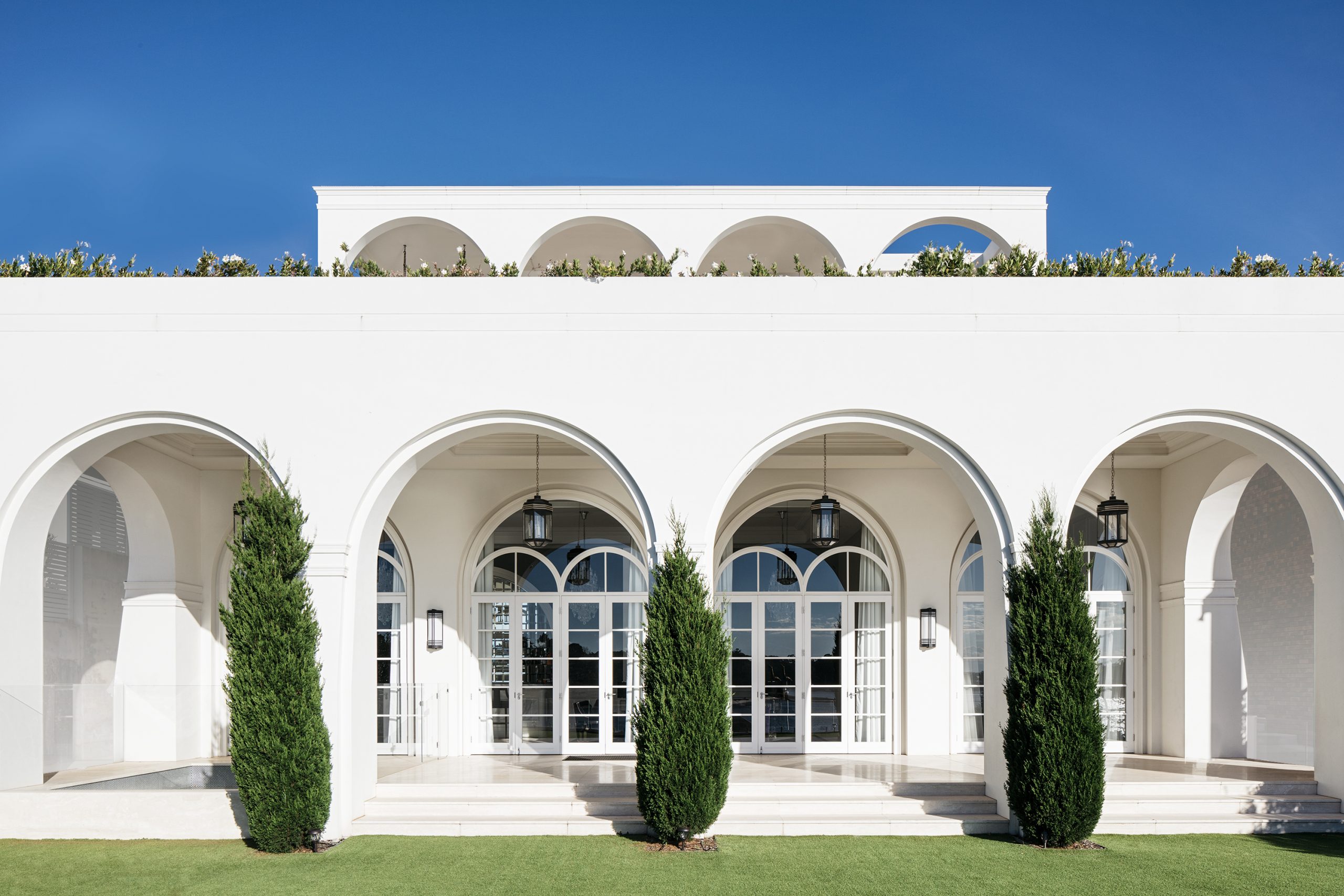
BN: Absolutely, we have such a unique set of criteria here with intense light and an amazing climate, we’ve developed amazing solutions to the indoor/ outdoor transition.
KN: Crown Spa Sydney is a recent project of yours – can you talk us through the concept here and what you were wanting to achieve. And your take on the Chris Wilkinson-designed building itself, from an architectural standpoint?
BN: We wanted the spa to feel like the moment you start drifting off to sleep, that space between sleeping and waking where your peripheral vision blurs. I think that’s one of the most beautiful and relaxing moments in a day, when the mind stops before it goes into a dream state. The design is full of curves and semi transparent walls of resin that you slip around. We worked with Hayden Cox, the famous Sydney surfboard shaper to create these unusual tables and benches in organic surfboard like shapes. It’s lovely as it feels incredibly relaxing but also somewhat unusual — a space which flows and you can’t quite put your finger on.
As for the buildng, it’s our greatest piece of architecture second only to the Sydney Opera House. It was an incredible feat to be able to build a tower which is twisting in three directions. There isn’t a straight wall on the whole façade which meant it was a challenging project for all the team involved. The documentation required complex spacial thinking and resolution. I’m so proud to have worked on the project — it’s rare that such an architectural vision is executed at this level of quality.
KN: What are your other artistic pursuits beyond design?
BN: One could argue I’ve made an art out of dining out. However I do spend time going to galleries and I’m a patron of the Sydney Film Festival. I really love film and find film sets of great inspiration for our work. In fact, one of our designs had wall panels inspired by the set of the movie Bladerunner.
KN: Name three timeless pieces every home needs and a simple sentence as to why?
BN:
KN: What projects are exciting you most in regards to the year ahead — those which you can discuss?
BN: We are so excited to be finishing the apartments in Central Park Tower, the tallest residential tower in the world and which is on Central Park in Manhattan. It’s been an amazing challenge to build during Covid, however, we’ve created some amazing new systems to work with our clients and offices internationally. We’re presenting more and more in virtual reality, where I can walk the client and the team through the design in real time on the computer.
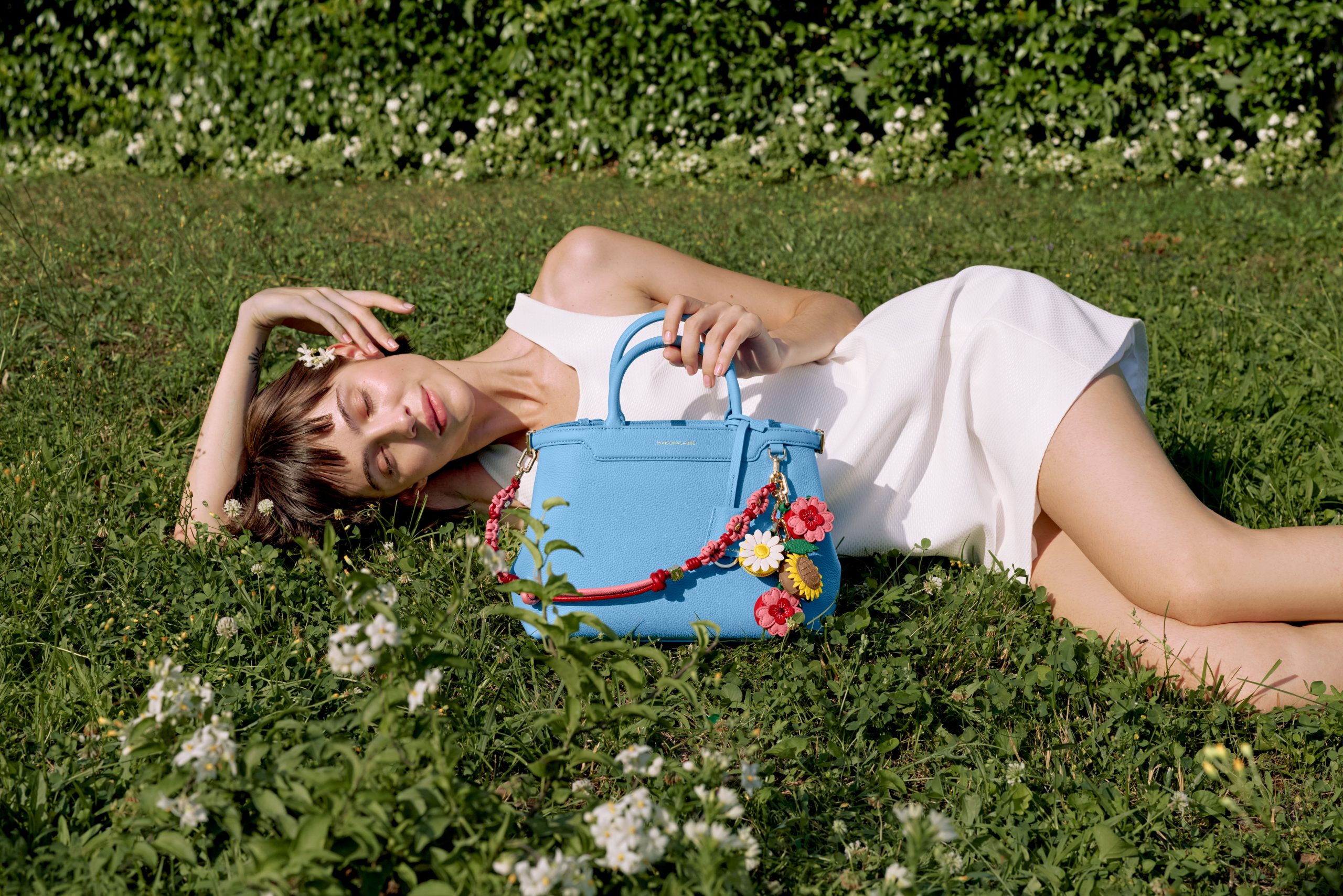
The Australian leather house has opened an immersive four-day pop-up in Manhattan, unveiling its Bloom Collection and redefining what a product launch can look like.
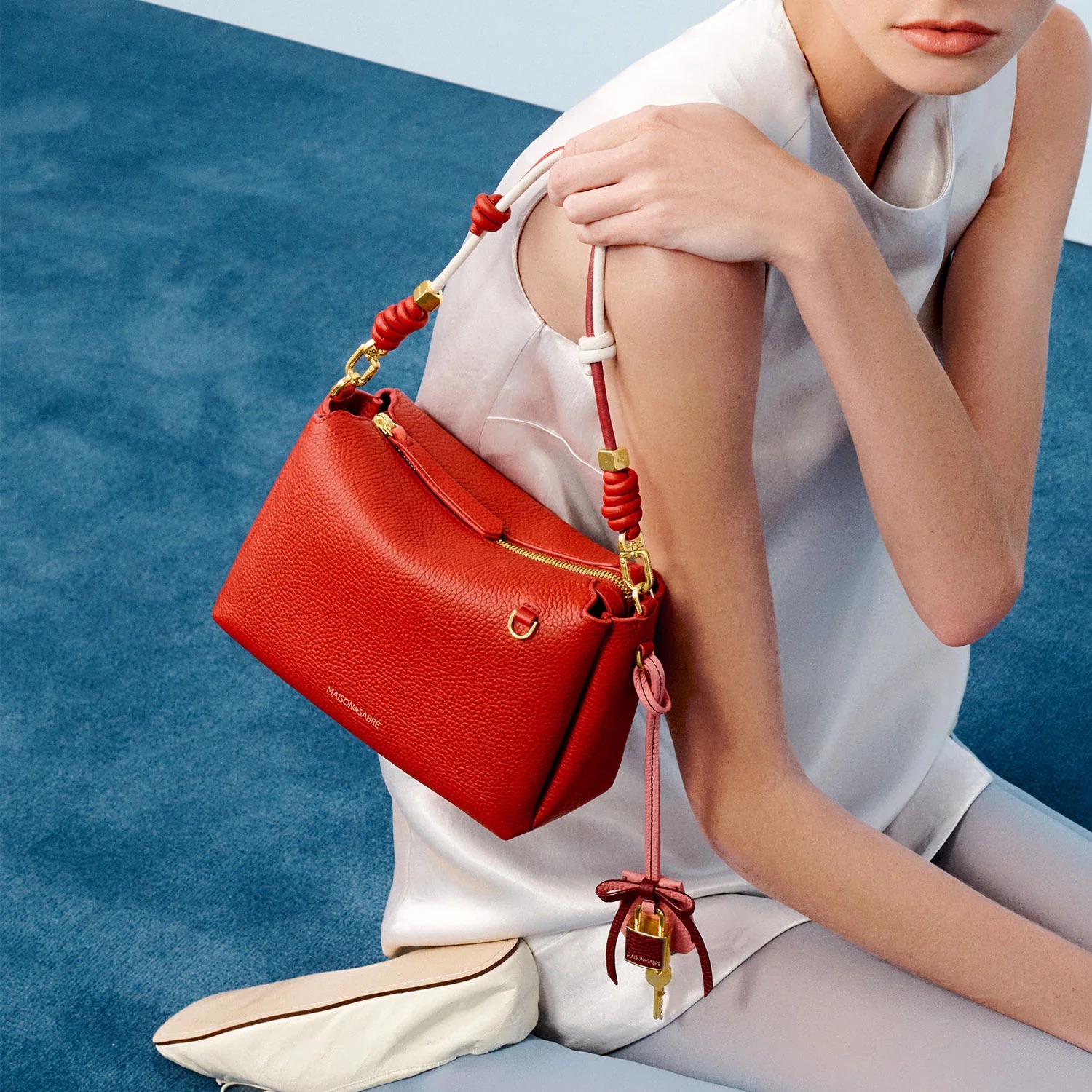
Following the successful launch of its Palais Collection, MAISON de SABRÉ has unveiled a new modular handbag system offering more than 720 styling combinations.
As AI productivity trackers reshape workplace evaluations, employees are learning how to manage calendars, activity levels and AI usage to ensure their contributions are recognized.
4 min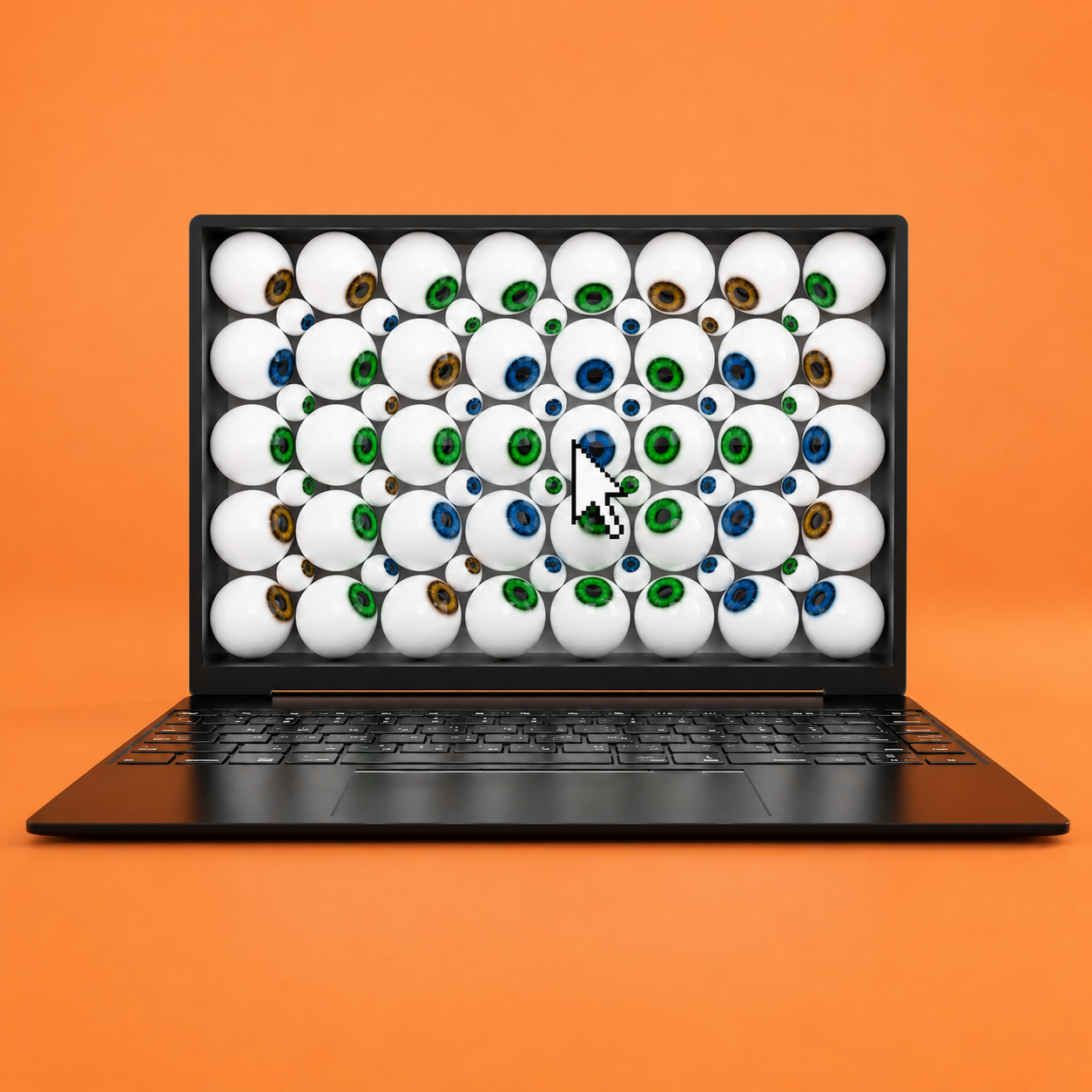
What’s more important than being a good employee right now? Looking like a good employee in the eyes of AI productivity trackers that more managers are using to evaluate their teams.
Employee-monitoring systems are especially popular at tech companies and are also used by other white-collar firms that want to probe how people spend company time. The scary thing: You might not even know you’re being watched because many states don’t require disclosure.
Metrics can include performance data that is undoubtedly relevant, such as sales results. But it also can employ dubious proxies like keyboard strokes and how often your computer screen goes into sleep mode.
We generally accepted, or at least understood, heightened surveillance during the work-from-home era. Back then it seemed reasonable for bosses to keep tabs on employees they couldn’t see.
Yet the oversight has only escalated, and tensions are rising, too.
A group of former Meta Platforms employees alleges in a lawsuit that the company used a “constellation of internal artificial-intelligence systems” when it began laying off about 10% of its workforce in May. Meta says humans make termination calls.
However that case shakes out, a couple of things are clear. Companies eager to gauge which employees are locked in now have sophisticated AI monitoring systems at their disposal. And they believe they have leverage in a tepid labor market.
So while we may chafe at having our worth reduced to numbers on the boss’s productivity dashboard, we have to play the game as it’s being played. Here are some tips, based on conversations with people who make employee monitoring systems—and others who game the systems.
Calendar integration is one way that productivity trackers have gotten more advanced and, ostensibly, fairer.
Let’s say you make an old-fashioned phone call or attend an in-person meeting. Your Outlook or Slack status may switch to “away,” making you appear as inactive as if you were taking an extended coffee break.
Employee monitors like one made by a company called Insightful cross-check your online status with your calendar to see whether there is a valid reason for your apparent inactivity. If that call or meeting is on your schedule, then the system will recognize that you are busy offline. If nothing is on the books, it could look like you’re slacking off.
Let’s not go any further without addressing the underlying question: How much downtime is permissible during the workday? After all, people have been scared to let managers see anything non-work-related on their screens since personal computers first arrived in offices.
No one knows this better than Roger Wagner, who is widely credited with creating the first “boss button” in the early 1980s. He designed a keyboard shortcut to instantly display a spreadsheet if the boss walked by your cubicle while you were playing a computer game. Boss buttons have been features of countless diversions since. (I confess to using one built into a March Madness streaming app.)
Wagner, the founder of computer-education company 1010 Technologies, says his original design was a joke—more of a commentary on overbearing managers than a cover for lazy employees. Good bosses understand workers need mental breaks throughout the day, he says.
This matches what I heard from Insightful Chief Executive Ivan Petrovic. He says customers that use his company’s workforce-management platform don’t expect employees to stay on task 100% of the time.
“On average companies are aiming for 60% to 80% of your time being utilized for work during the day,” he says.
Go ahead and exhale. It’s probably OK to watch an occasional YouTube video at your desk.
And if you’re going to artificially inflate your activity level, be careful. Hitting 90% could look suspicious.
So don’t leave your mouse jiggler on all day. Choose the right one if you must resort to shenanigans.
There are lots of software applications that mimic the movements of a computer mouse, so you can appear to be working while away from your desk. There are also devices that plug into computer ports and do the same thing.
Corporate cybersecurity systems increasingly block these apps and devices, and productivity trackers claim to be able to detect them. But some workers swear by mouse docks, like one made by Tech8 USA, that keep cursors moving. The company originally made mouse-moving software but now focuses on physical jigglers.
“People are drawn to mechanical solutions because they’re so simple and don’t require software,” says Tech8 Marketing Director Sam Matthews. “As monitoring technology becomes more sophisticated, that distinction has become even more relevant.”
Another popular metric for employee-monitoring systems is AI usage. Companies want to know who is embracing new tools, and it can be tempting to think more is better.
“There’s a performative aspect where employees overblow their usage of AI so that they appear relevant in the organization,” says Andrea Derler, principal researcher at Visier, which helps companies track and analyze employee work habits.
In a recent Visier survey of 1,000 U.S. workers, 48% admitted to exaggerating their AI usage.
This is already an outdated strategy. Using AI for everything used to score points for experimentation. Now it can seem wasteful because many companies are watching AI token spending more carefully.
Look, productivity theater has always been part of work. Most of us aren’t trying to cheat the system, but expectations are changing so quickly that we need to be savvy about what the latest employee trackers are looking for.
Sometimes it takes a little gamesmanship to get full credit for our contributions.