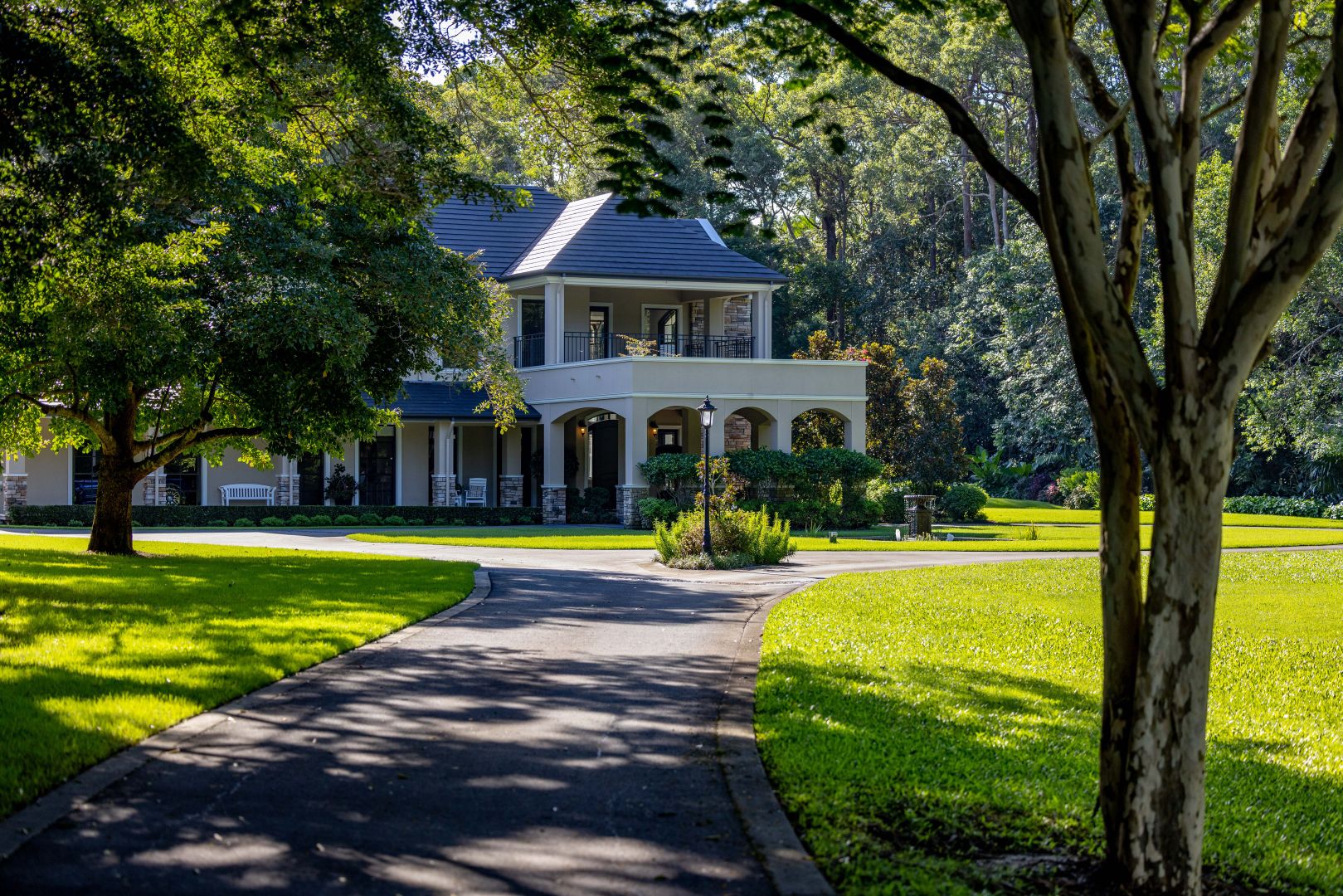
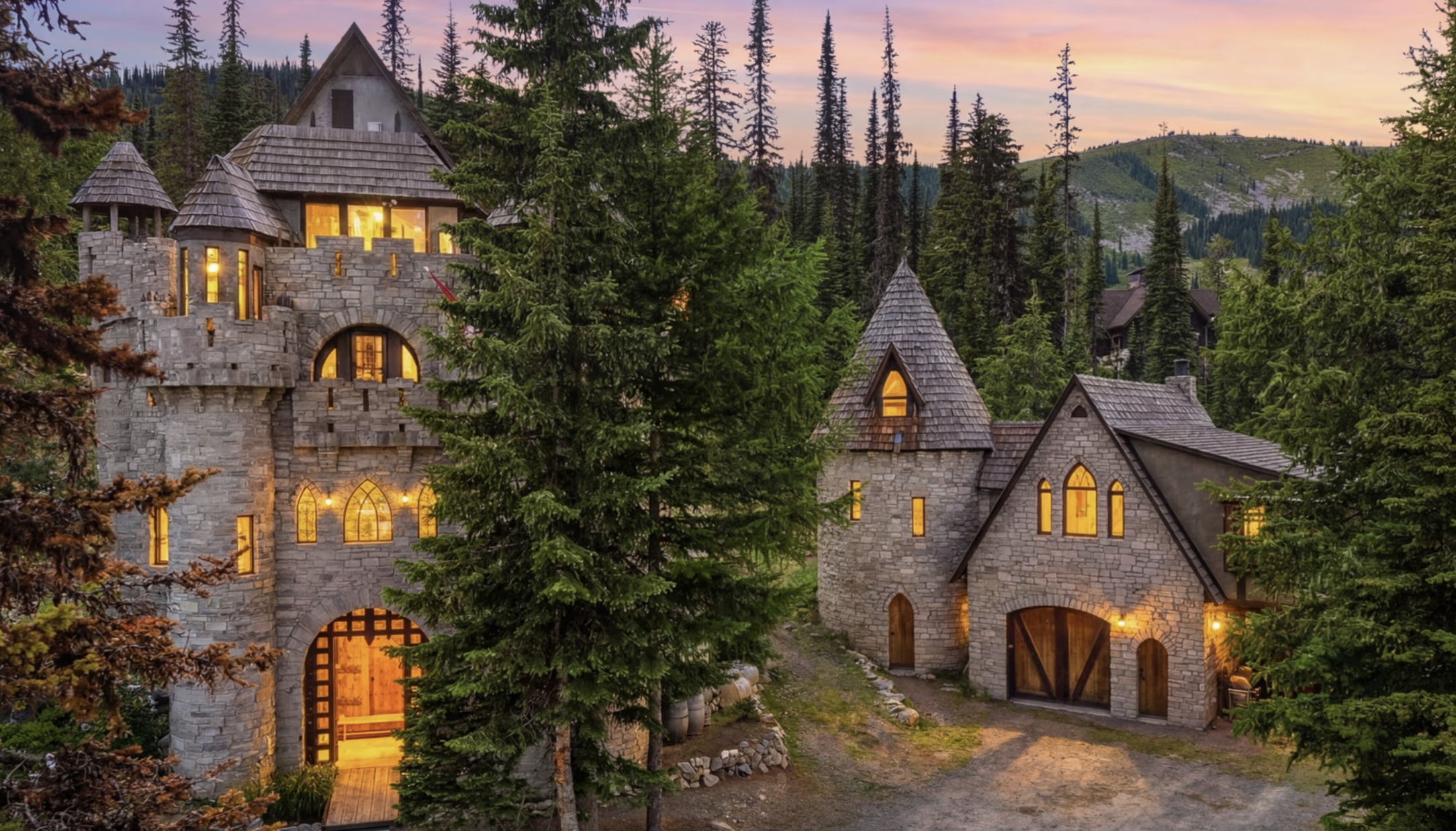
Introducing ‘Summerglen’, Buderim’s finest home.
Just out of Mooloolaba, Queensland, comes this grand estate.
By Terry Christodoulou
Fri, Mar 18, 2022 2:21pm 2 min
2 min
2 min


Just out of Mooloolaba, Queensland, comes this grand estate.
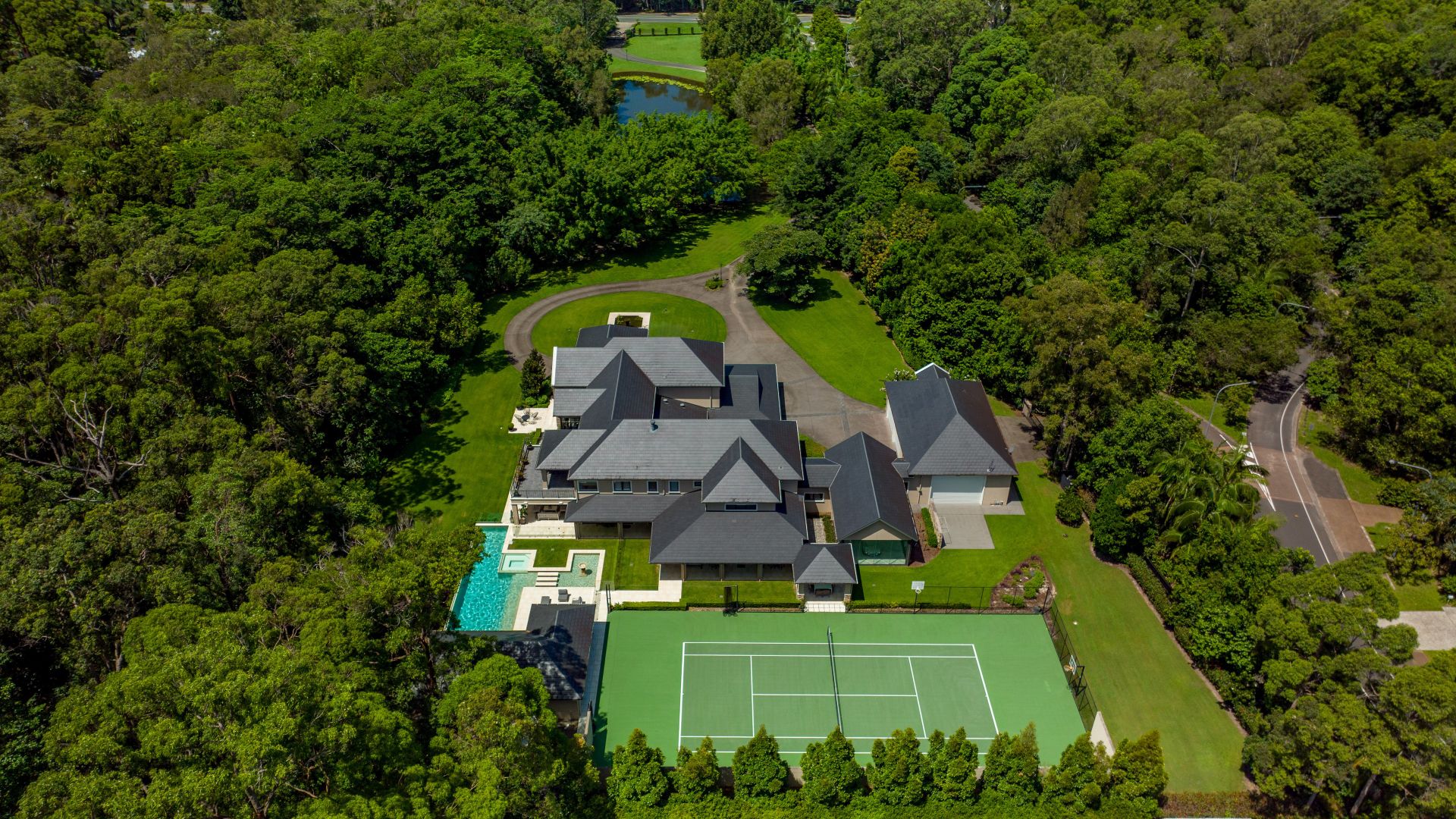
2 minNestled away on five acres and boasting dual street access, the intensely private home combines its impressive grandeur and classic stylings with a beautiful rainforest location.
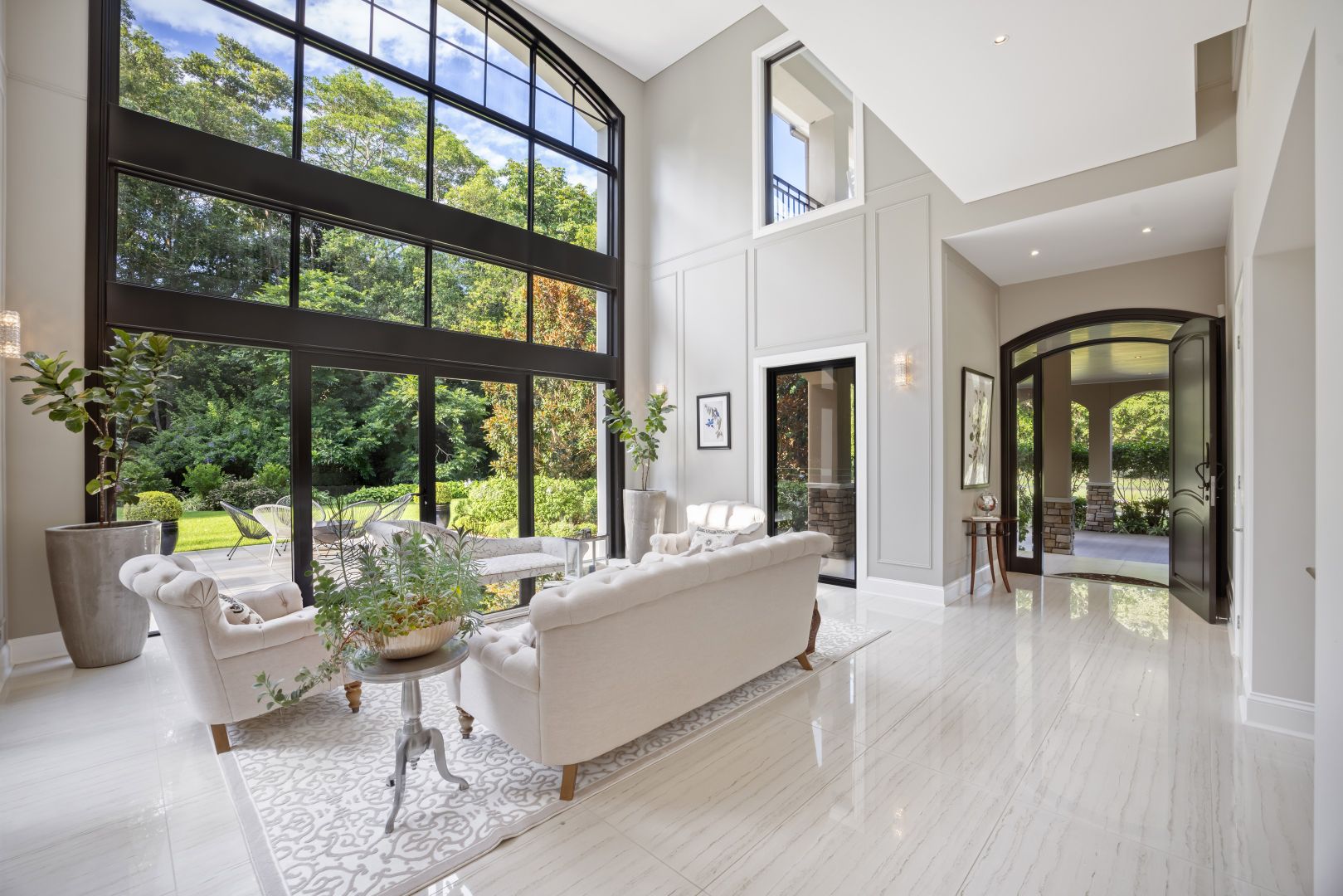
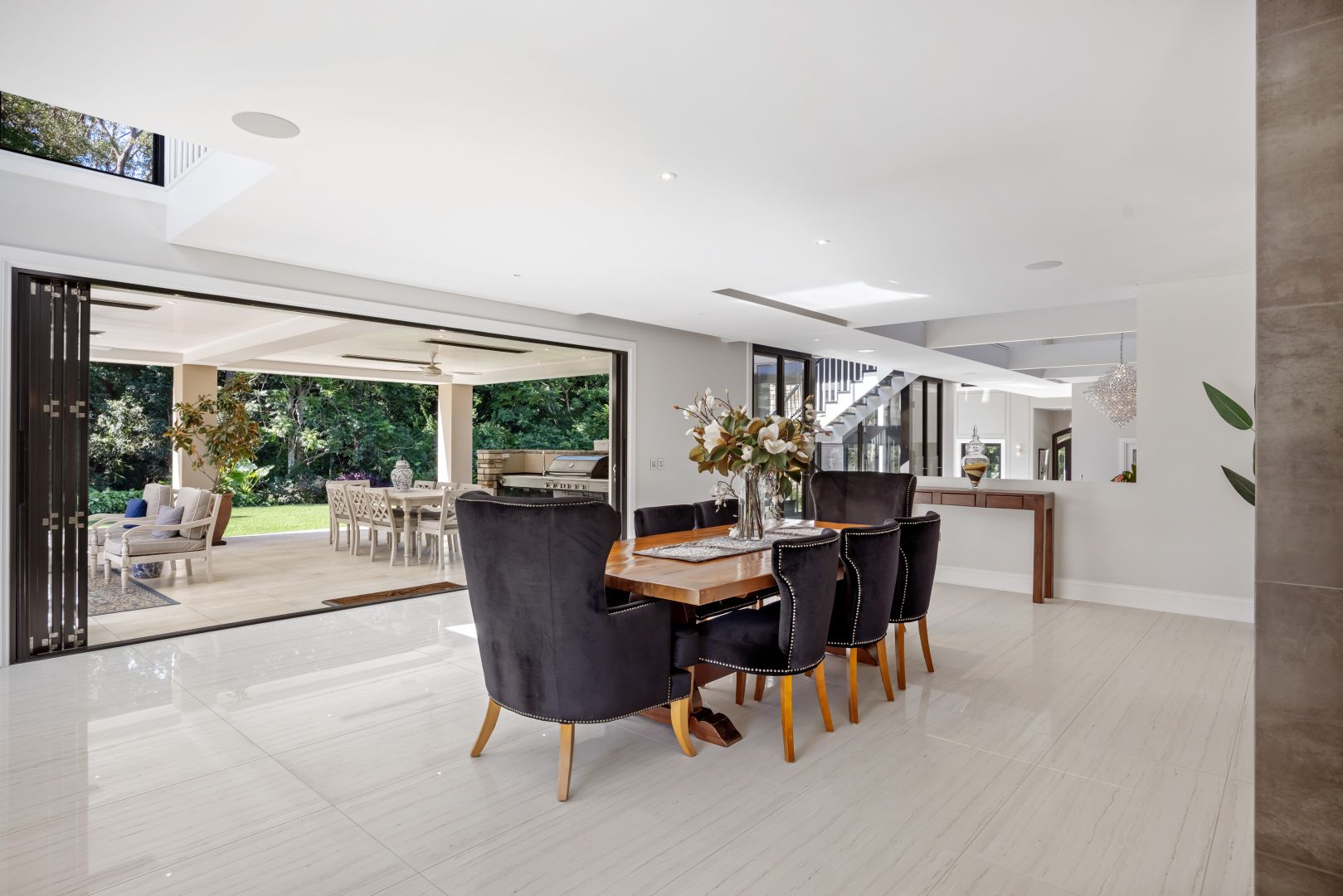
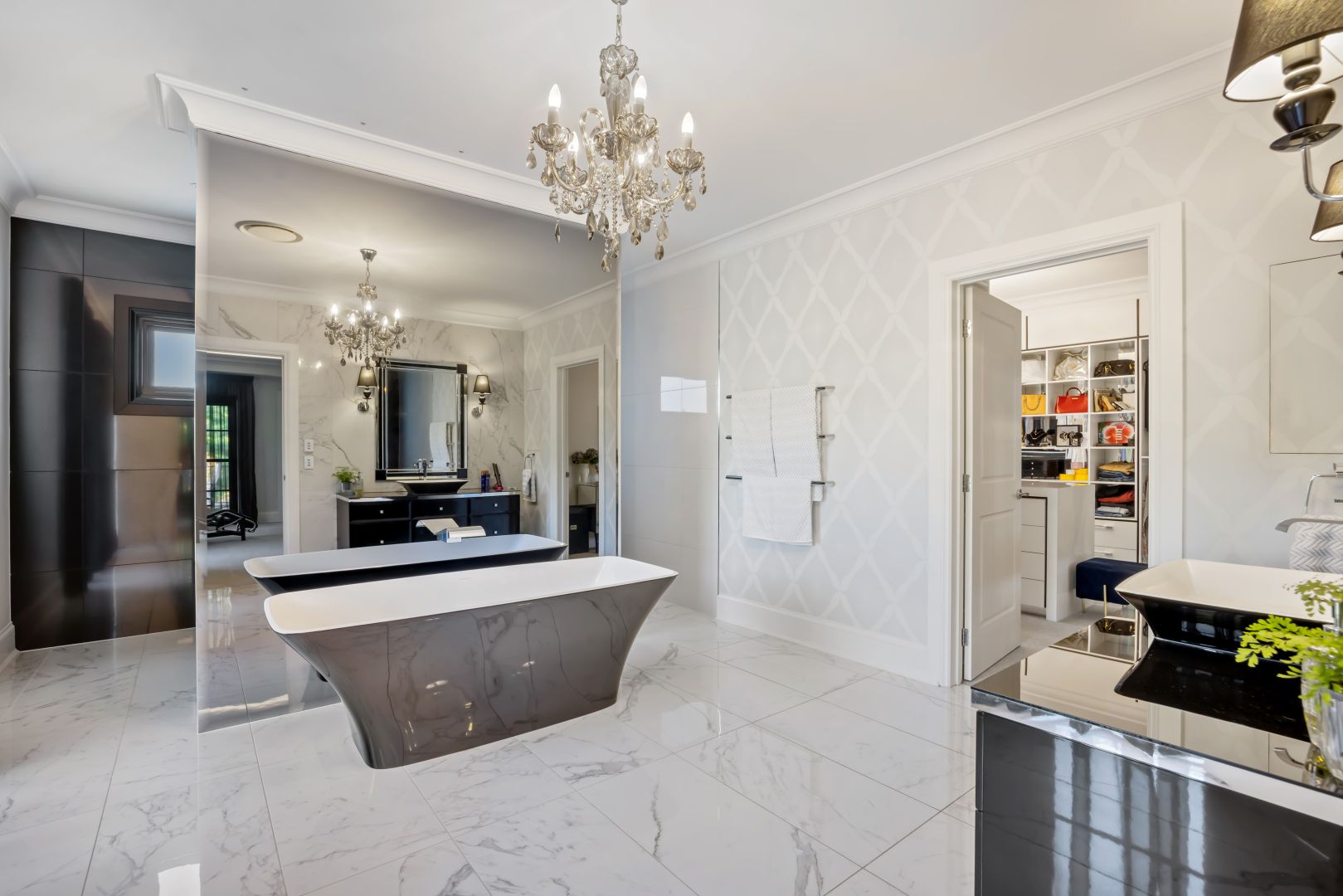
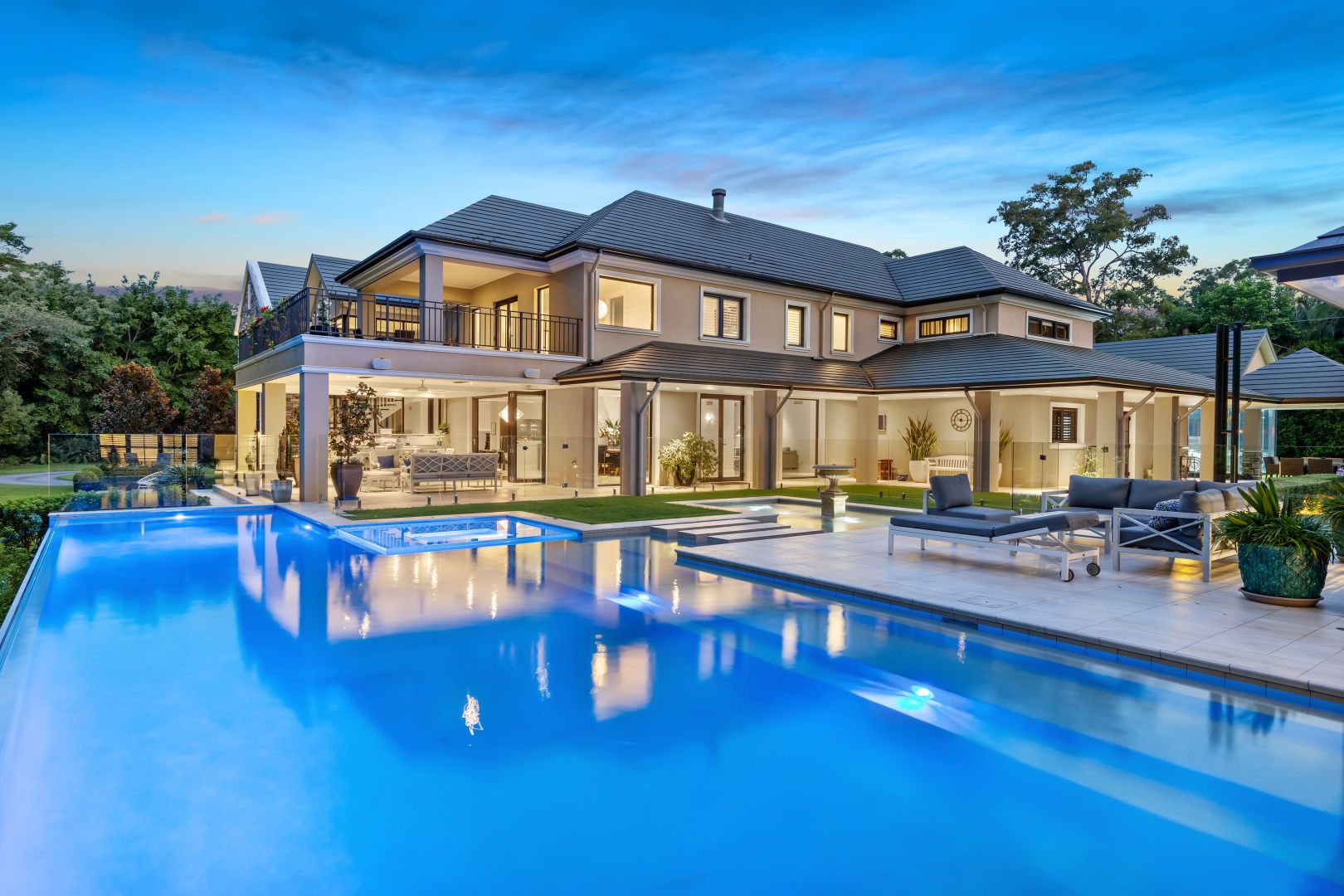
The award-winning 6-bedroom, 6-bathroom, 10-car garage home designed by Brad Read Design Group brings together grace and elegance of a period home with soaring ceilings and swathes of glass, and combines it with contemporary ideas of luxury.
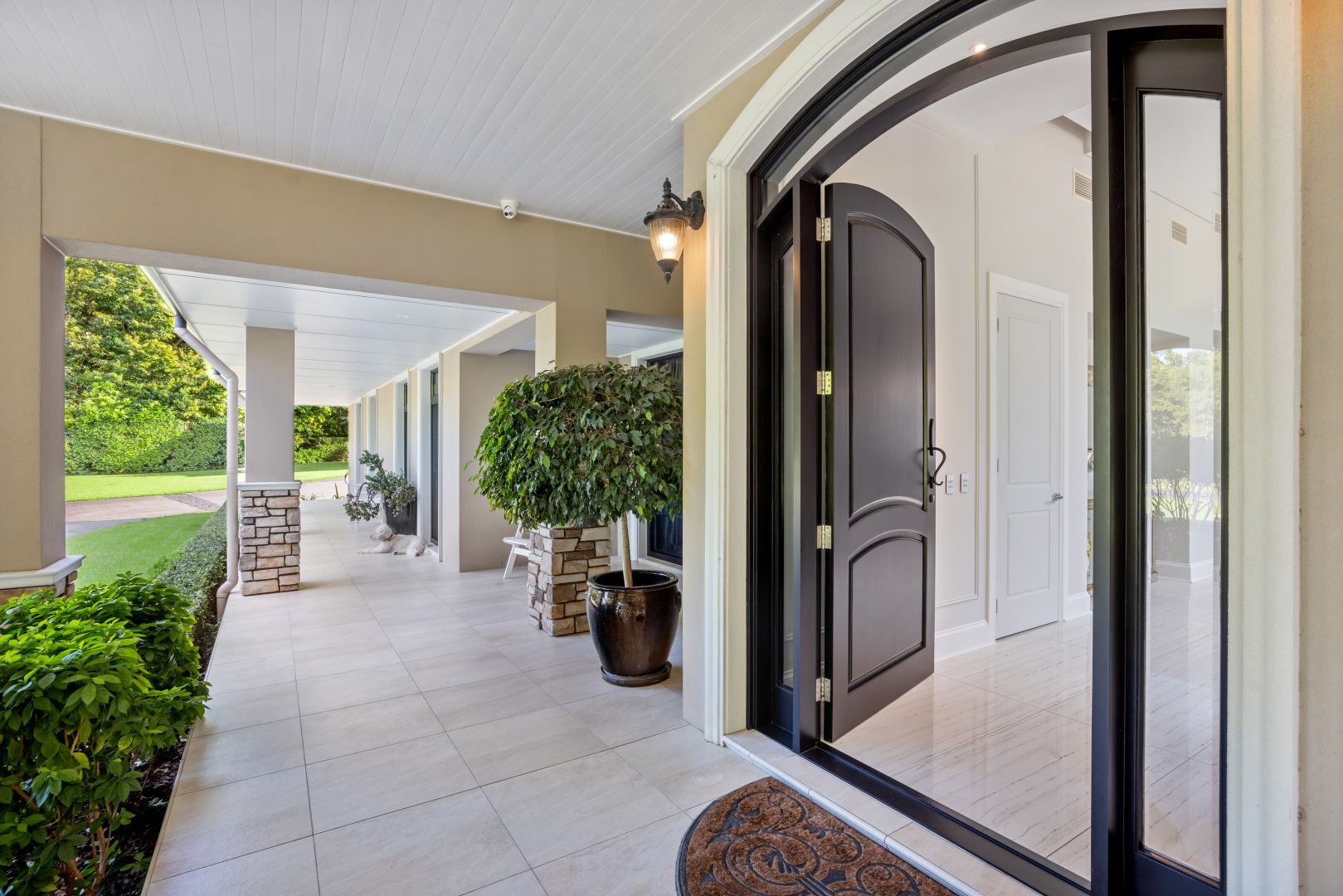
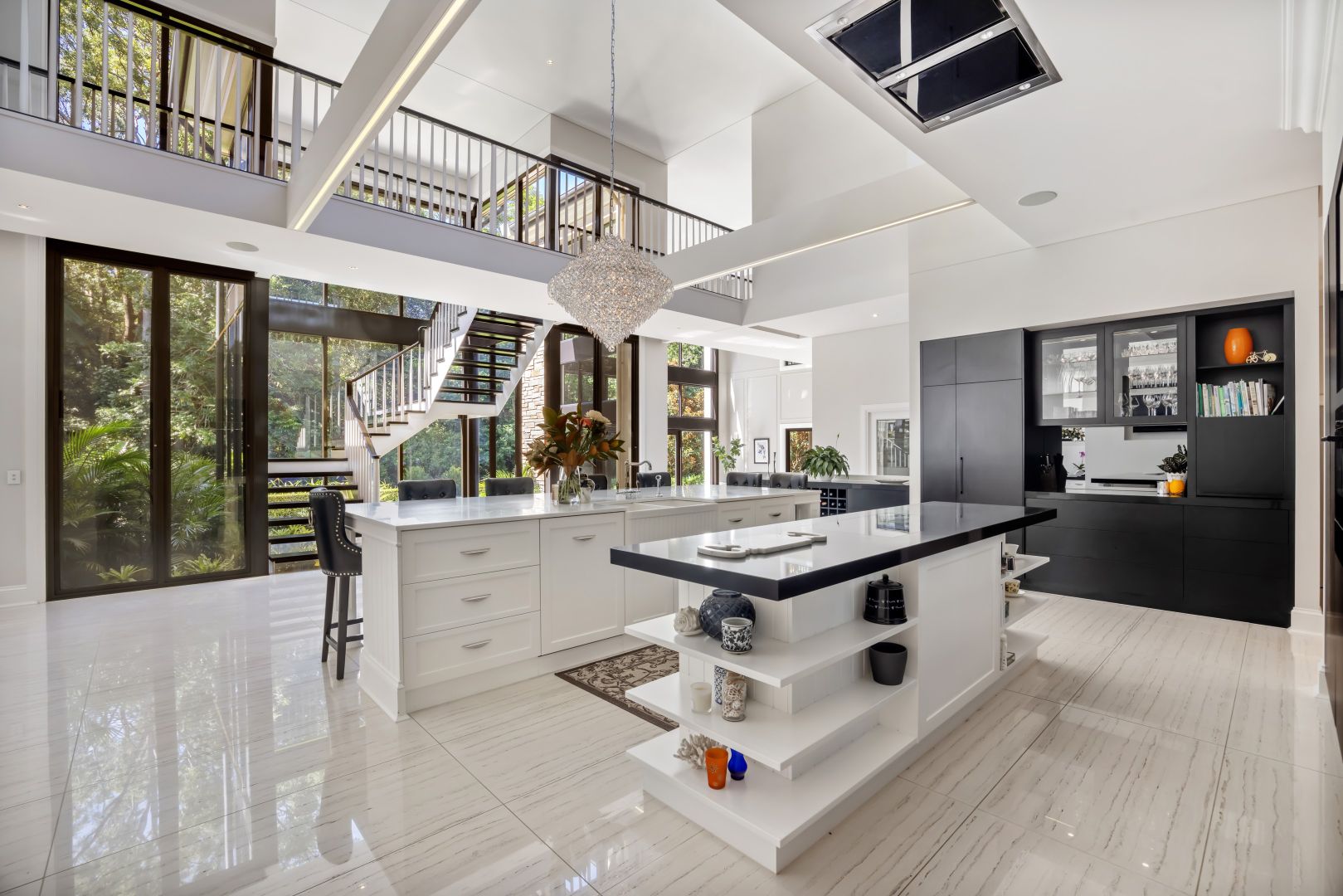
Through a formal gated entryway, the driveway leads one past the lagoon to the expansive two storey home. Here, one enters through the formal entry foyer and experiences the impressive volumes within the main living zones complemented by the high-end kitchen complete with integrated appliances and scullery.
It’s also here on the lower level that one finds the office, library, multiple formal and casual living rooms and home cinema and gym.
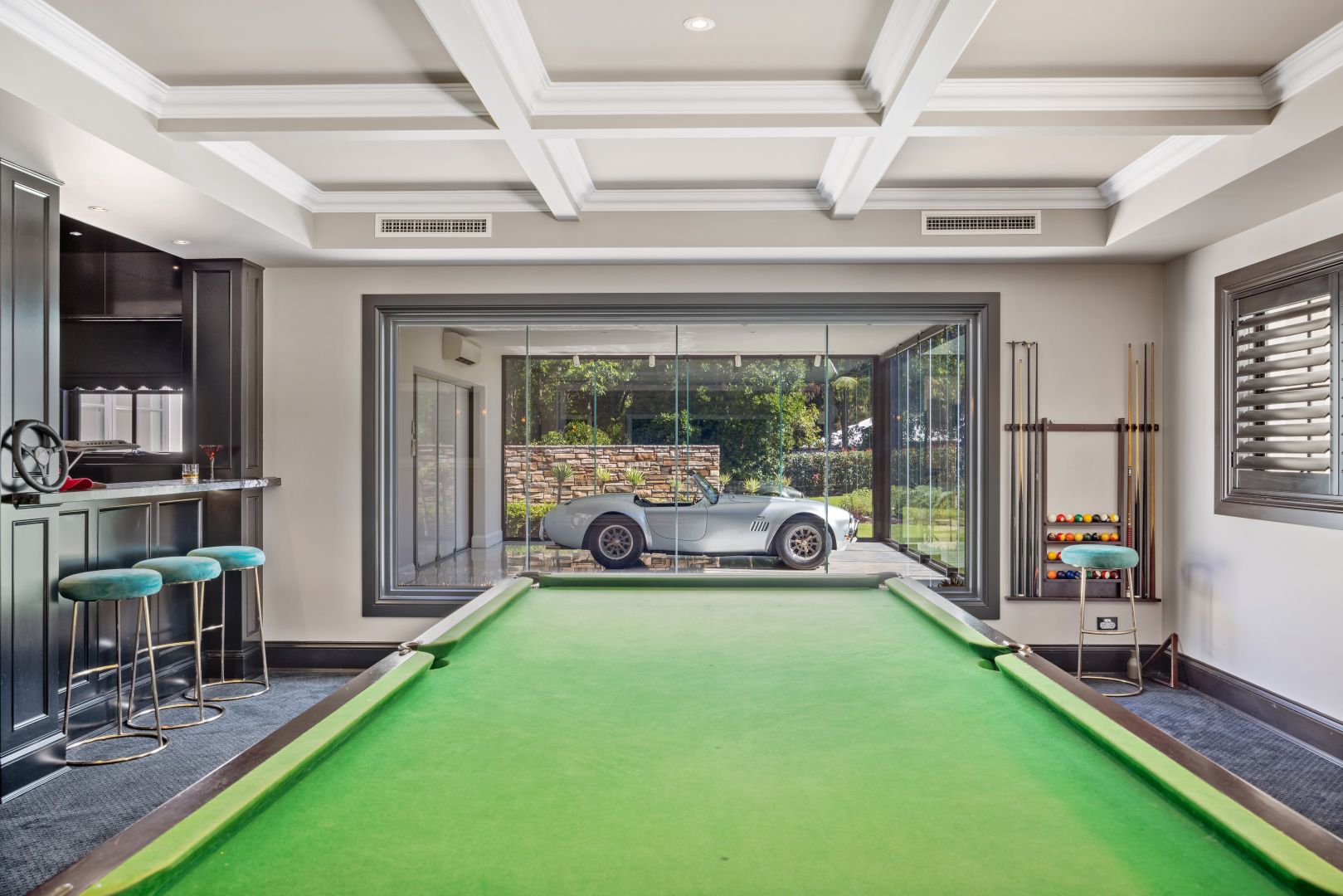
Further mod-cons within the house include state-of-the-art security and technology, underfloor heating, striking fireplace centrepiece in the formal dining room, a granite bar in the billiard room with an outlook to the garage.
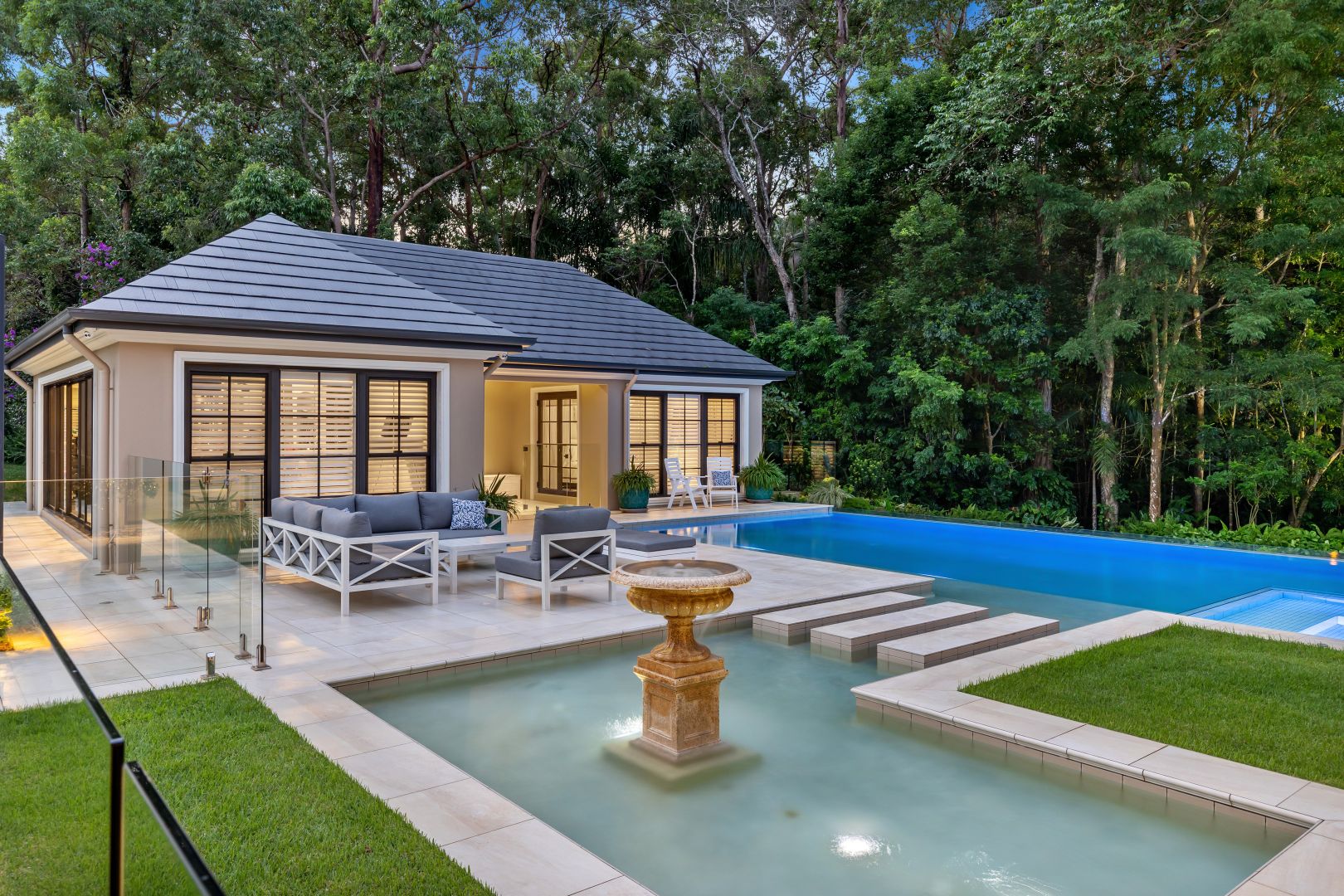
Outside, the home features an award-winning swimming pool and spa paired with a full-sized tennis court set upon the expansive, manicured grass lawn. It’s in the backyard that the most lavish entertaining can take place with festoon lighting in the majestic fig tree and an alfresco dining area complete with a built-in BBQ.
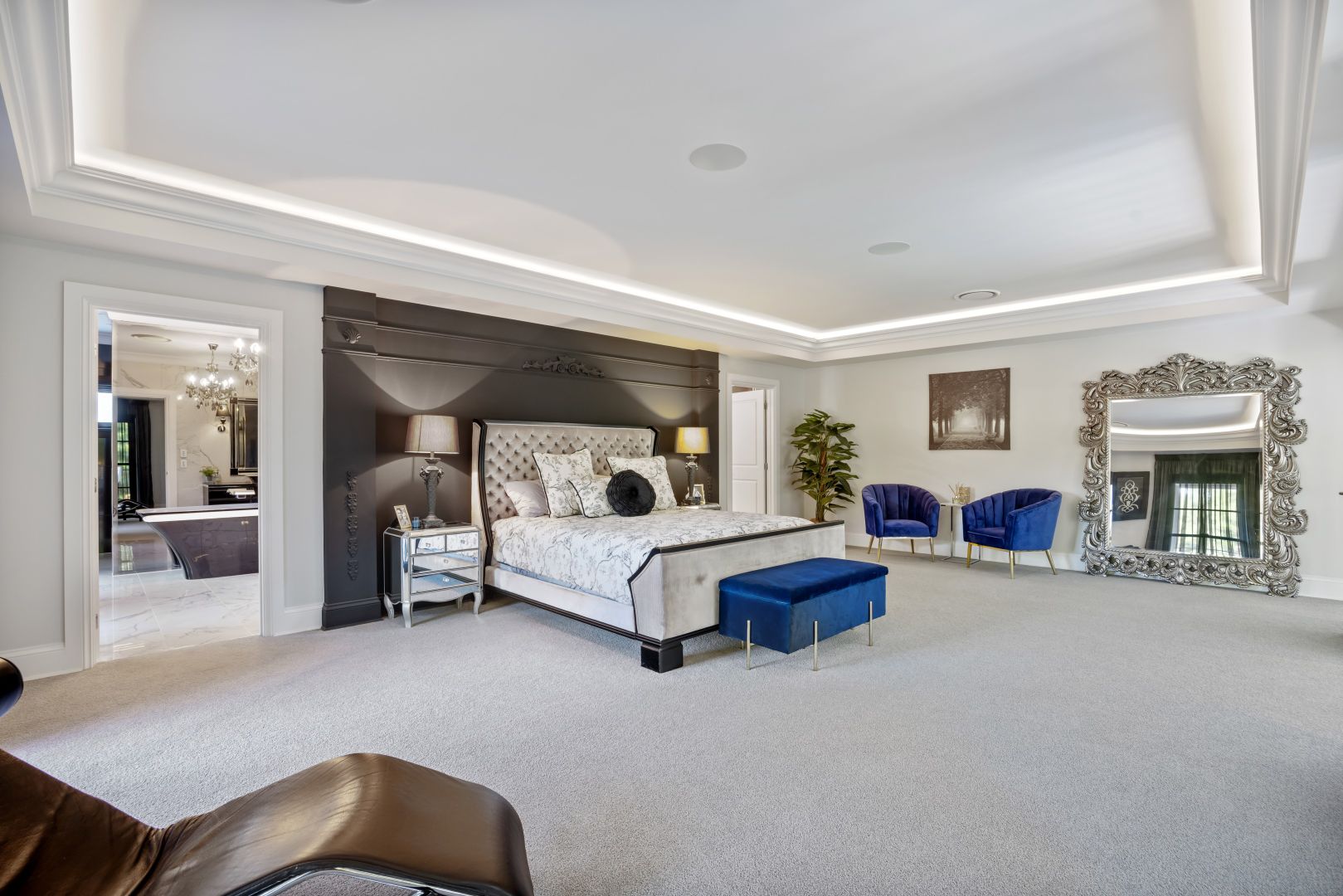
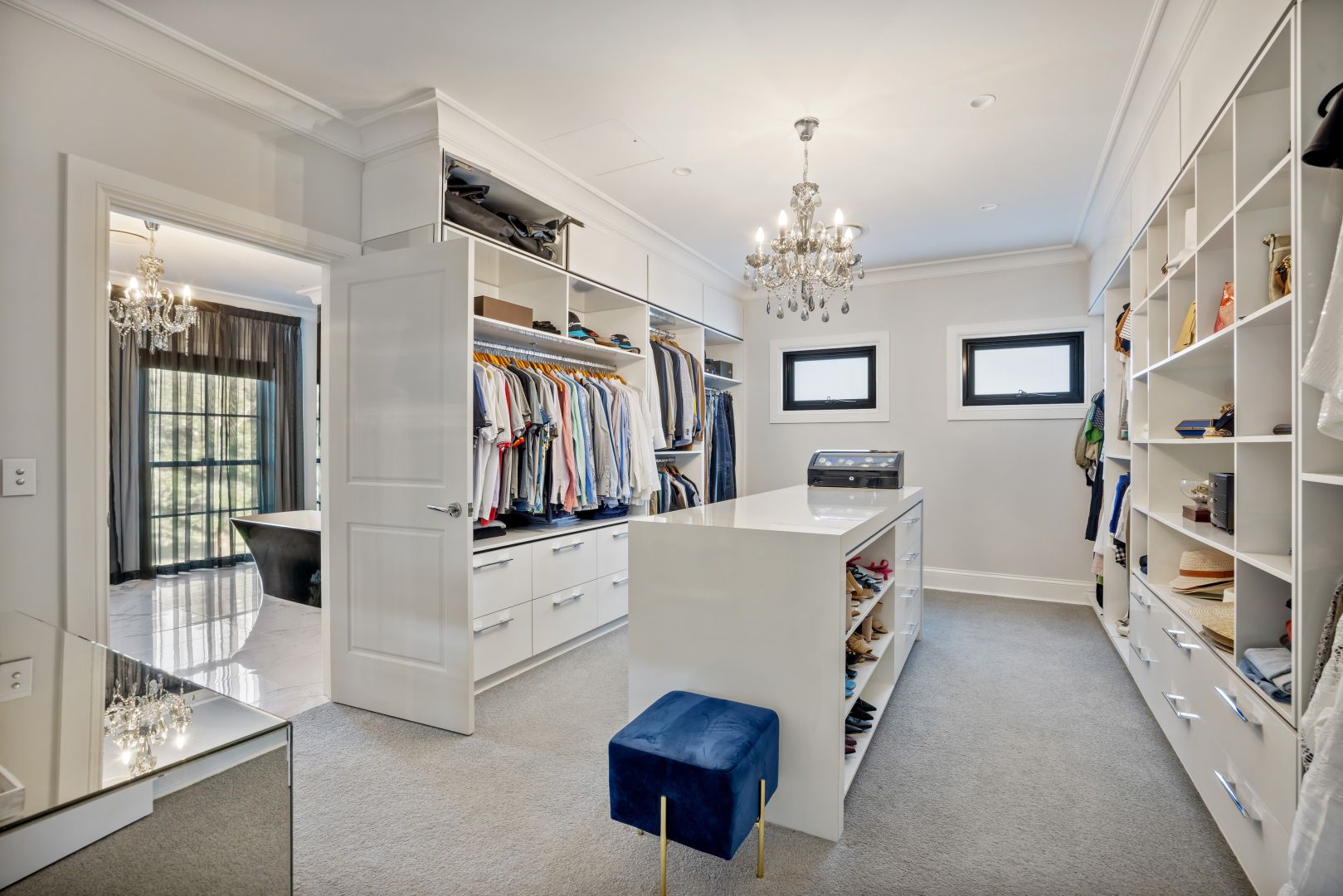
Across the two levels and the poolside guest pavilion, Summerglen comprises of six bedrooms and six bathrooms plus a powder area. The master suite features a large dressing room and opulent ensuite to match.
Infrastructure on the property includes garaging for up to 10 vehicles, a 5,000-litre underground water tank, an automatic pop-up sprinkler system, an outdoor fountain with lighting, two garden sheds, ‘hidden’ dog fencing plus boundary fencing, entry bridge and electronic custom-built gated entry.
Beyond, the expansive grounds and grand residence, Summerglen is three minutes from the centre of Buderim, and is nearby to Mooloolaba Beach, Sunshine Coast Airport with Brisbane an hour away.
The listing is with Ray White Nambour’s Matt O’Grady (+61 414 317 375), POA. raywhitenambour.com.au

The Australian leather house has opened an immersive four-day pop-up in Manhattan, unveiling its Bloom Collection and redefining what a product launch can look like.

Following the successful launch of its Palais Collection, MAISON de SABRÉ has unveiled a new modular handbag system offering more than 720 styling combinations.
The US housing market remains under pressure as high mortgage rates continue to weigh on affordability and demand. Industry leaders say 2026 has been one of the toughest years for home sales, with slower price growth, weaker mortgage activity, and fewer buyers entering the market. However, experts say reduced competition and more price cuts could create opportunities for well-prepared buyers.
2 min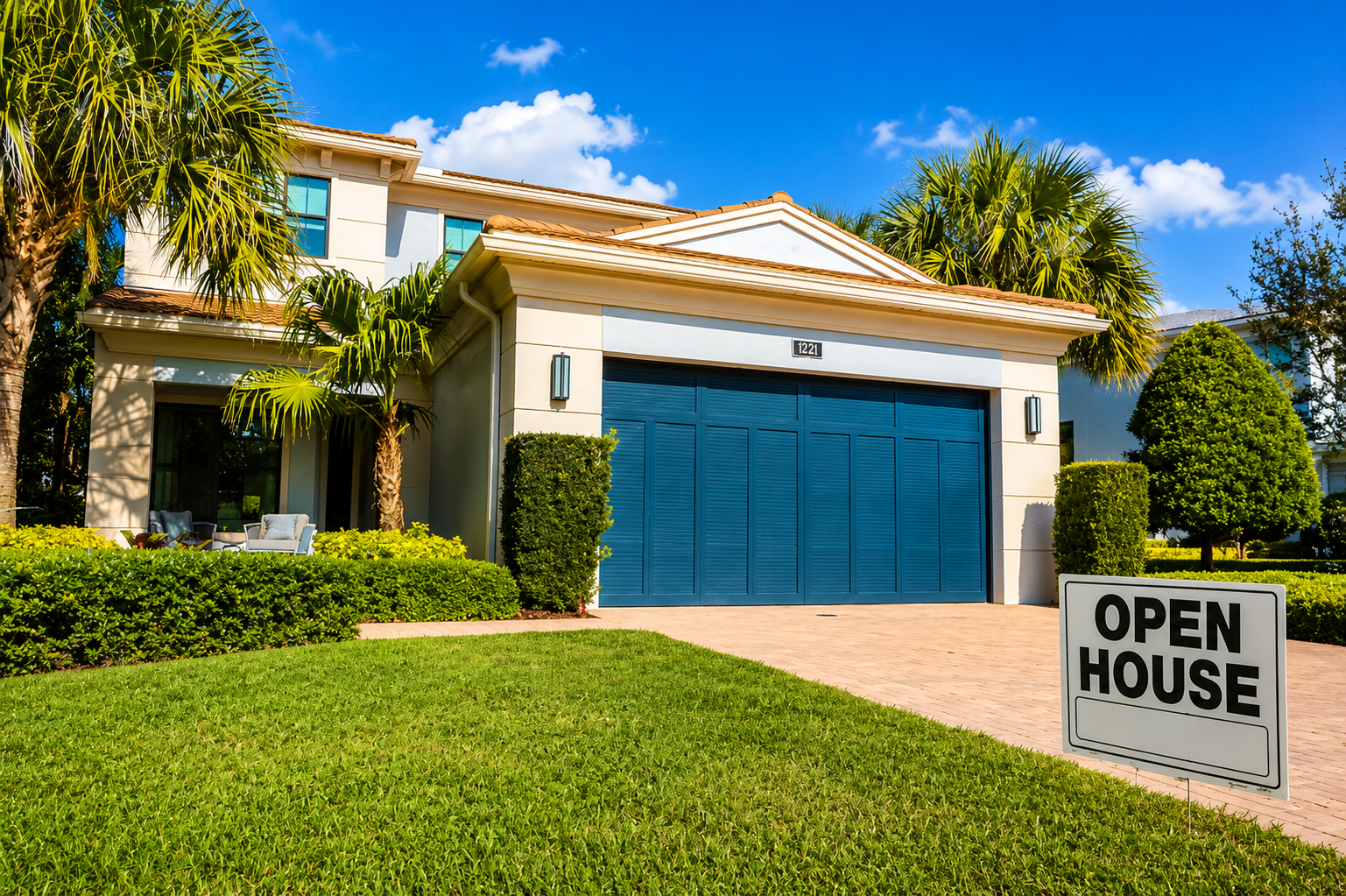
The typically busy spring season for the housing market was a dud, and the summer isn’t looking much brighter.
Housing services companies like Zillow Group and Rocket RKT +3.78% were loud and clear last week on earnings calls: Rocket CEO Varun Krishna called the quarter through June “one of the toughest spring housing markets in years.”
Jeremy Hofmann, Zillow’s chief financial officer, said on a conference call that the company predicted earlier this year that the market for mortgages would be flat. “We actually now think it’s going to be down low-to-mid-single digits,” he said.
The rest of 2026 will remain challenging for mortgage origination volume, says KBW analyst Bose George. The question now is what happens in 2027. “If mortgage rates remain [around] 6.75%, I think that’s going to be challenging even for next year,” he says.
But what’s bad news for mortgage companies could be a positive for bargain hunters. Buyers can expect prices to grow more slowly—or mildly decline—with less competition as long as mortgage rates remain unpredictable.
Mortgage rates at the beginning of the year were solidly below year-ago levels, notes Zillow senior economist Kara Ng. But they surpassed last year’s levels recently, she adds, referencing Freddie Mac’s weekly survey of 30-year fixed mortgage rates. Last week’s reading, at 6.69%, was higher than year-ago levels for the first time in 2026.
“From the affordability point of view, it’s going to get more challenging in the second half of the year,” she says. “And when affordability gets more challenging, that impacts sales and home price appreciation.”
Mortgage application data tracked by the Mortgage Bankers Association has cooled since the beginning of the year. The trade group expects that the number of mortgage originations in the remaining two quarters will lag behind last year’s levels, after exceeding 2025 levels in the first half.
Rocket’s early-stage data—which the company told Barron’s it derives from its brokerage Redfin, demand for its mortgage products, and signs in its servicing portfolio that a homeowner is preparing to refinance or move—“leads us to expect the third quarter mortgage market to be smaller than the second,” Chief Financial Officer Brian Brown, said on the company’s call. He added that such an occurrence is “something the industry has not seen since 2022.”
Prices will be about flat nationally, Ng says. Zillow’s most recent forecast, which shows how values are expected to change in the year ending June 2027, show them dropping in roughly half of the 100 largest U.S. metros for which data is available.
Buyers aren’t rushing in at a time when mortgage costs are rising and unpredictable. But those with the right combination of patience and cash could stand to benefit. “If you are financially qualified to buy a starter home, you are facing less competition and you’re more likely to get a price cut,” Ng says.