The Rise of Lifestyle-Driven Luxury Real Estate: Mayfair, Marylebone and Beyond
By Charles Whitehead
Fri, Apr 4, 2025 10:08am 4 min
4 min
4 min

 4 min
4 min
With the pandemic behind us, there has been a rise in buyers prioritising lifestyle when investing in luxury estates and this shift is transforming the market.
With an eye on long-term returns, buyers seek properties that offer exceptional value and an elevated way of life.
Mayfair, Marylebone and more are among the most sought-after locations for those drawn to exclusive, culture-rich living spaces.
Here, we’ll explore how these trends shape the landscape of luxury property investment.
● Green spaces have become popular, with proximity to parks and recreational areas becoming a major consideration for the tranquil environment away from the busy city life.
● Cultural amenities, such as access to galleries, museums, theatres and high-end dining options, elevate the living experience, blending luxury with leisure.
● Long-term ROI enables buyers to recognise the value of properties that offer lifestyle benefits and strong, consistent returns on investment over time.
For high-net-worth individuals, pursuing an ideal lifestyle drives purchasing decisions. Post-pandemic, a shift has emerged: Homebuyers are looking for properties that offer more than just impressive architecture or grand square footage.
Buyers today are willing to pay a premium for properties in neighbourhoods that embody this lifestyle.
It includes places where they can enjoy privacy, aesthetic beauty and convenient access to leisure, art, and entertainment.
From Chelsea to Belgravia, here is a selection of prime locations captivating lifestyle-focused investors:
Mayfair is one of London’s most prestigious neighbourhoods, known for its exclusivity, luxury boutiques, world-class dining and proximity to Hyde Park and Buckingham Palace, offering privacy and cultural access.
● Property prices: Prime properties in Mayfair command some of the highest prices in London, with prices per square foot consistently among the highest in the market.
● Amenities: The area features Michelin-starred restaurants, private clubs and art galleries, attracting investors with its cultural appeal and strong long-term property value potential.
Marylebone offers a village-like atmosphere in the heart of the city, with independent shops, cafes and excellent transport links, attracting lifestyle investors seeking peace and quiet close to central London’s cultural and commercial hub.
● Property prices: Marylebone’s average property price hovers around £1.66 million, making it an attractive option for high-end buyers.
● Community appeal: Its cultural attractions, including Madame Tussauds, the Sherlock Holmes Museum and proximity to Regents Park, make it an attractive investment for those seeking quiet living with cultural access.
Chelsea, one of London’s most iconic districts, offers cultural landmarks, boutique shopping, exclusive restaurants and proximity to the River Thames and King’s Road, appealing to buyers seeking an active lifestyle and luxury living.
● Property prices: In the SW3 area, Chelsea’s real estate market sees average prices of £1.91 million, with prime properties yielding strong returns for investors.
● Green spaces and proximity to culture: With green spaces like Battersea Park and cultural spots like the Saatchi Gallery, Chelsea offers a blend of tranquillity and urban energy, attracting lifestyle-focused investors.
Notting Hill, known for its eclectic charm and vibrant cultural scene, boasts some of London’s most valuable real estate. With high-end boutiques and famous markets, it blends luxury living with a laid-back, creative atmosphere.
● Property prices: Properties in Notting Hill can range from £1.1 million to over £10 million, depending on location and size.
● Cultural heritage: Its artistic heritage, along with theatres and galleries, makes it a desirable spot for investors who want to live in a neighbourhood that reflects history and contemporary culture.
Belgravia, one of London’s most elegant neighbourhoods, features private garden squares, neoclassical architecture and high-end retail. Its proximity to top schools and embassies attracts investors seeking security, privacy and a refined lifestyle.
● Property prices: With an average property price of £2.75 million, Belgravia remains one of London’s most stable luxury markets.
● Exclusive living: Belgravia is renowned for its exclusivity, making it highly attractive to those who want to be at the centre of high society while maintaining a low profile.
Understanding the market in these sought-after areas is crucial for potential investors.
In Q4 2024, the total turnover for prime real estate in central London was £1.59 billion, with significant interest from international buyers.
Across these luxury suburbs, the average rental yield stands at around 4.5%, with properties in Mayfair and Belgravia offering some of the highest returns due to their high desirability.
● ROI trends: Prime properties in areas like Chelsea and Marylebone have shown consistent year-on-year returns of up to 5%, making them solid choices for long-term investors.
● Buyer demographics: A growing number of international buyers from the Middle East, the US and Europe are making their way to these neighbourhoods, further driving demand for high-end properties.
The future of lifestyle-driven luxury property investment looks promising, with high-end buyers seeking financial returns and a curated lifestyle.
As more buyers are drawn to these exclusive neighbourhoods, demand rises due to personal preferences and investment potential. These areas are poised to remain at the forefront of London’s luxury real estate market.
Charles Whitehead, Director of Pearl Lemon Properties, has more than 14 years of expertise in luxury buy-to-let properties and high-end flips, providing clients exclusive investment strategies to further enhance their property portfolios.

The Australian leather house has opened an immersive four-day pop-up in Manhattan, unveiling its Bloom Collection and redefining what a product launch can look like.

Following the successful launch of its Palais Collection, MAISON de SABRÉ has unveiled a new modular handbag system offering more than 720 styling combinations.
رغم التوترات الإقليمية، يواصل سوق العقارات الفاخرة في الإمارات جذب المشاريع الجديدة، مع تصدر الواجهات البحرية المشهد. وتستعد دبي وأبوظبي ورأس الخيمة لإطلاق مجموعة من المشاريع السكنية الفاخرة، بينها مساكن تحمل علامات فندقية عالمية مثل Ritz-Carlton وJanu.
6 min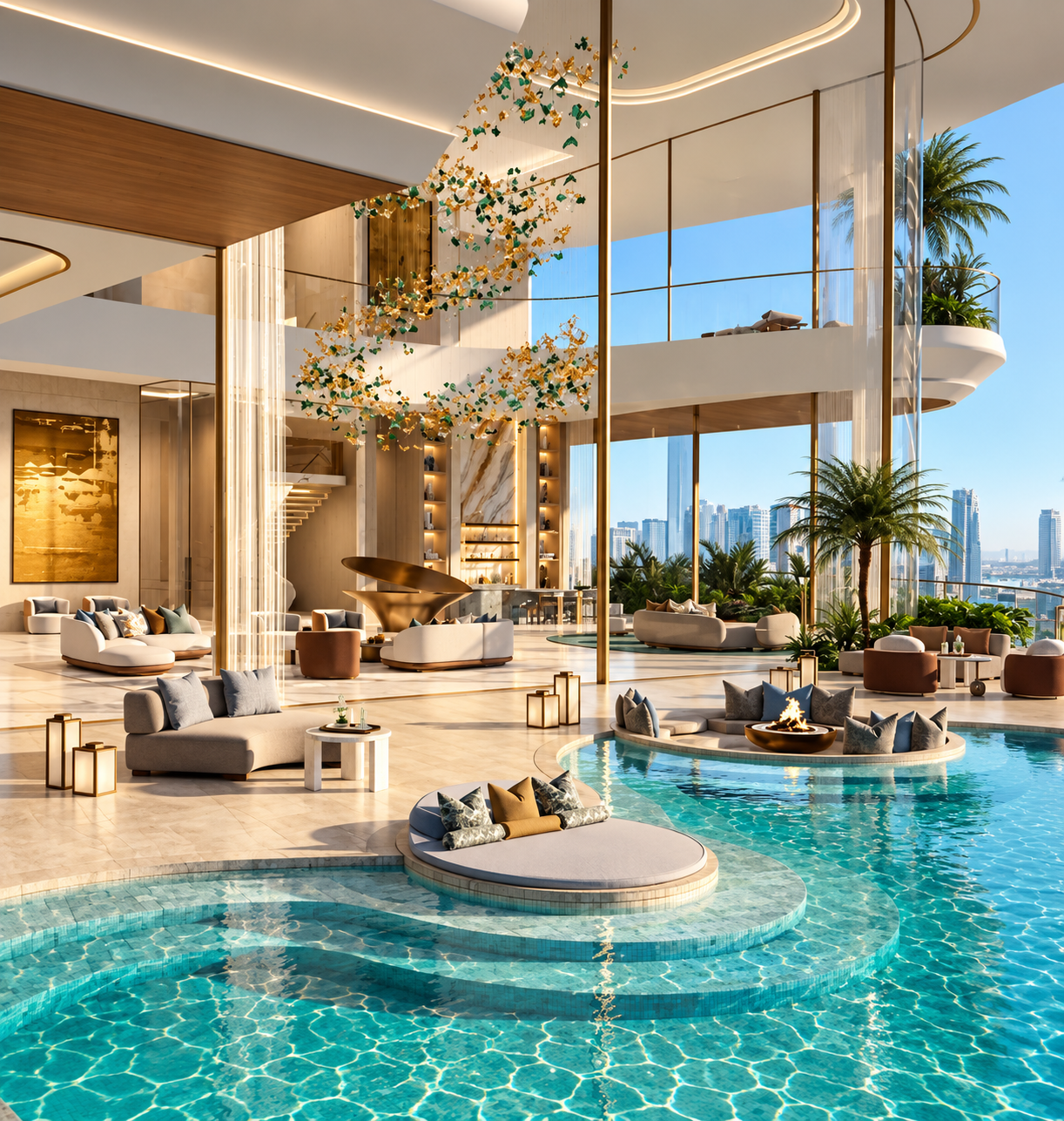
Long-term optimism remains strong in the United Arab Emirates, even as the war in neighboring Iran hinders home sales and demand for now.
While there have certainly been residential and commercial real estate projects across the U.A.E. that have been paused or delayed due to the turmoil experienced across the region, by and large, new developments continue to be launched.
That’s the case in the luxury residences sector in particular, where a string of starry, big-name projects are putting homes on the market before the close of the year. One trend is that the islands of Dubai, Abu Dhabi and the U.A.E. at large that are taking their turn in the spotlight, as waterfront living continues to be in demand and come at a premium.
For would-be buyers looking for resort-style homes along the shores, there’s an array of upcoming projects to get excited about. Right at the top of the list are hotel branded residences from the likes of Ritz-Carlton and Janu, the sister brand of powerhouse Aman, among five swanky projects selling this season.
Luxury hotel branded residences are thriving, and the exciting Ritz-Carlton Residences Al Maryah Island development is a great example of why. Residents can expect hotel-style amenities and services from a locale within Abu Dhabi’s thriving waterfront district, with the creature comforts of home built into it.
This project was unveiled at Abu Dhabi Finance Week 2025 and promises to offer The Ritz-Carlton brand’s signature, timeless style and unwavering attention to detail. All units will feature floor-to-ceiling windows with enviable views, while residents will be able to take advantage of a resort-grade, infinity waterfront pool, immersive spa and wellness facilities, and a waterfront promenade with curated outdoor spaces as well as high-end retail and dining venues.
Sales launch in October.
Number of Units: 172
Price Range: Starting at $1.2 million
Developer/Architect: Killa Design and Tara Bernerd, with SAAS Properties.
Home Sizes: One- to four-bedroom residences ranging from 882 square feet to 4,962 square feet, and a five-bedroom, 13,713-square-foot penthouse.
Amenities: Wellness facilities including premium fitness center, massage room, meditation and recovery rooms, cold plunge and indoor pool. There’s also a rooftop pool, co-working lounge, executive golf lounge, and a games room and children play area.
Just 50 minutes from Dubai International Airport, Janu Al Marjan Island aims to both feel a world apart from the city, while also offering supreme ease of access. The property has its own private stretch of beach and marina, ideal for superyacht mooring and serving as the scene of a beach club.
The Janu Residences will be positioned next to the Janu hotel, with residents able to take advantage of its many social and wellness spaces, in addition to resident’s-only amenities and services. Meanwhile, the adjacent Wynn Al Marjan Island, the U.A.E.’s first integrated resort, is in direct proximity as well.
Social life by the sea, with discretion and wellness on tap, not to mention a chance to get in early on burgeoning Ras Al Khaimah.
Sales launch in late October.
Number of Units: 73
Price Range: Starting at $2.3 million
Developer/Architect: Jointly developed by Marjan and Wynn Resorts, with architecture by SCDA Architects.
Home Sizes: One- to five-bedroom residences ranging from 2,117 square feet to 18,955 square feet, as well as five Marina Villas and a residential tower penthouse.
Amenities: An active lifestyle comes to the forefront with the Janu Spa and Wellness center and a padel court. Six dining venues and a signature beach club are key features for residents who want it all, right on-site.
Located in the Saadiyat Cultural District, Sei Saadiyat combines its historic locale with a unique spin rooted in the Japanese concept of stillness and calm, or “Sei.” That foundational principle is what this community will be based on, with a mission to foster wellness and relaxation in all forms, including fitness and social connection.
A total of 778 homes will be spread across six Jacobs-designed buildings. Aldar is also introducing a first in their residential portfolio in the form of their two-bedroom Kanso Lofts at Sei Saadiyat, featuring double-height, open-plan living in loft style spaces including an elevated bedroom.
Phase one sales launched in September.
Number of Units: 778 total (265 involved in this phase one launch)
Price Range: Starting at $800,000
Developer/Architect: Aldar with architecture by Jacobs and interiors by Kettle Collective.
Home Sizes: Residences range from 753 square feet to 2,238 square feet, in a range of floor plans including one- and two-bedroom apartments, three-bedroom Kanso Residences and two-bedroom Kanso lofts.
Amenities: Amenities tie into the brand’s ethos of stillness and calm: expect a Zen garden with serenity pool and outdoor yoga decks, along with numerous indoor and outdoor fitness areas, and hot-and cold-pool experiences.
Amali Canal Residences is located on Dubai Canal in Al Wasl. The community is suspended above the canal, and brings the presence of water even closer to home with a number of features including private plunge pools in every residence, and a swim-through, indoor-outdoor pool with a signature waterfall facade that would make the posh resorts of the Swiss Alps blush.
There will be no shortage of on-site entertainment and diversions, whether in the form of a private cinema and resident bowling alley, cigar lounge and library, padel and sports courts, a panoramic fitness center. Then there’s The Retreat, a wellness center incorporating spa, sauna, steam, onsen baths, hydrotherapy, and yoga and pilates studios. When it’s time for a bit of work in between the diversions, residents can use an executive boardroom, private studies and co-working lounges.
Sales launch in October.
Number of Units: 211
Price Range: Two bedrooms starting at $3.9 million; three bedrooms starting at $5.4 million; four bedrooms starting at $7.4 million; penthouse pricing on request.
Developer/Architect: Amali Properties in collaboration with AHS Properties, with architecture by Killa Design and interior design by HBA Residential.
Home Sizes: Two- to four-bedroom apartments ranging from 2,880 square feet to 7,800 square feet, in addition to four- and five-bedroom penthouses ranging up to 21,000 square feet.
Amenities: 55,000 square feet of interconnected amenity spaces including myriad lounges, infinity pools with cabanas, children’s waterpark and child care center, padel court and a rooftop secret garden.
The Rixo Residences on Al Reem Island, Abu Dhabi, are designed to match its island environs with the thriving culture and finance dynamics of the city. Panoramic water and skyline views bring both faces to life, in this East & West Properties project.
Residences showcase expansive terraces offering boundless views from within a community centered around three dedicated amenity zones: the Oasis, the Haven and the Gathering. Together, wellness, fitness, social life and relaxation are all available in a number of formats.
Less than half a mile from the coast, and only 10 minutes from downtown Abu Dhabi, Rixos Residences offers generous layouts and amenity-rich public spaces that deliver equally as well for family-friendly living as well as investors.
Sales launched in August.
Number of Units: 386
Price Range: One-bedrooms starting at $570,000, with larger loft units starting at $1.8 million.
Developer/Architect: East & West Property Development under the Ennismore portfolio, with architect Aedas and interiors by HBA Residential.
Home Sizes: One- to two-bedroom apartments as well as three- and four-bedroom lofts, from 954 square feet to 2,941 square feet.
Amenities: Wellness treatment areas as well as Turkish hammam and steam rooms, landscaped walking tracks, padel court, rooftop clubhouse and plunge pool, private cinema, and services including concierge, valet and security.